Eliminating Limits to Justice for Child Sex Abuse Victims Act of 2022 (S 3103) – Introduced by Sen. Richard Durbin (D-IL) on Oct. 28, 2021, this Act eliminates the statute of limitations for civil lawsuits by anyone who, as a minor, was a victim of human trafficking or a federal sex crime. The bill passed in the Senate on March 2, in the House on Sept. 13, and was signed into law on Sept. 16 by President Biden.
Law Enforcement De-Escalation Training Act of 2022 (S 4003) – This bill would authorize training for de-escalation and alternatives to the use of force when law enforcement officers are called to a scene involving mental and behavioral health and suicidal crises. The Act was introduced by Sen. John Cornyn (R-TX) on April 5. It passed in the Senate on Aug. 1 and is currently under consideration in the House.
National Aviation Preparedness Plan Act of 2022 (HR 884) – This legislation directs the Department of Transportation (DOT), in consultation with the aviation industry and labor stakeholders such as air carriers, to develop a national aviation preparedness plan for future outbreaks of communicable diseases. The plan must include provisions for frontline, at-risk workers to be equipped with the appropriate personal protective equipment (PPE) to reduce exposure and spread of the disease. The bill was introduced by Rep. Rick Larson (D-WA) on Feb. 5, 2021. It was passed in the House on Sept.14and has moved to the Senate.
Veterans’ Compensation Cost-of-Living Adjustment Act of 2022 (HR 7846) – This legislation was introduced by Rep. Elaine Luria (D-VA) on May 19. It proposes a cost-of-living increase beginning Dec. 1 for the compensation of veterans with service-connected disabilities as well as dependency and indemnity compensation for the survivors of certain disabled veterans. The bill passed in the House on Sept. 14 and is currently under consideration in the Senate.
Securing and Enabling Commerce Using Remote and Electronic Notarization Act of 2022 (HR 3962) – Introduced by Rep. Madeleine Dean (D-PA) on June 17, 2021, this bill would permit notaries public to perform electronic notarizations and remote notarizations for matters pertaining to interstate commerce. The Act specifies that minimum standards be established, and that all Federal courts be required to recognize notarizations performed by a notarial officer of any state. This bipartisan bill passed in the House on July 27 and has a very high chance of passing in the Senate.
Jenna Quinn Law (S 734) – On March 11, 2021, Sen. John Cornyn (R-TX), re-introduced this bill from an earlier version he proposed in 2019. The legislation would amend the Child Abuse Prevention and Treatment Act to authorize grants for training and education to teachers (as well as other school personnel, students and the community)for sexual abuse awareness and prevention programs among primary and secondary school students. The bill passed unanimously in the Senate on Aug. 3 and is awaiting further action by the House.
Shoring up Protections for Sexually Abused Children, the Mentally Ill in Crises, and a Benefit Increase for Disabled Veterans
October 1, 2022 · Blog, Congress at Work
⏱ 3 min read
Eliminating Limits to Justice for Child Sex Abuse Victims Act of 2022 (S 3103) – Introduced by Sen. Richard Durbin (D-IL) on Oct. 28, 2021, this Act eliminates the statute of limitations for civil lawsuits by anyone who, as a minor, was a victim of human trafficking or a federal sex crime. The bill passed in the Senate on March 2, in the House on Sept. 13, and was signed into law on Sept. 16 by President Biden.
Law Enforcement De-Escalation Training Act of 2022 (S 4003) – This bill would authorize training for de-escalation and alternatives to the use of force when law enforcement officers are called to a scene involving mental and behavioral health and suicidal crises. The Act was introduced by Sen. John Cornyn (R-TX) on April 5. It passed in the Senate on Aug. 1 and is currently under consideration in the House.
National Aviation Preparedness Plan Act of 2022 (HR 884) – This legislation directs the Department of Transportation (DOT), in consultation with the aviation industry and labor stakeholders such as air carriers, to develop a national aviation preparedness plan for future outbreaks of communicable diseases. The plan must include provisions for frontline, at-risk workers to be equipped with the appropriate personal protective equipment (PPE) to reduce exposure and spread of the disease. The bill was introduced by Rep. Rick Larson (D-WA) on Feb. 5, 2021. It was passed in the House on Sept.14and has moved to the Senate.
Veterans’ Compensation Cost-of-Living Adjustment Act of 2022 (HR 7846) – This legislation was introduced by Rep. Elaine Luria (D-VA) on May 19. It proposes a cost-of-living increase beginning Dec. 1 for the compensation of veterans with service-connected disabilities as well as dependency and indemnity compensation for the survivors of certain disabled veterans. The bill passed in the House on Sept. 14 and is currently under consideration in the Senate.
Securing and Enabling Commerce Using Remote and Electronic Notarization Act of 2022 (HR 3962) – Introduced by Rep. Madeleine Dean (D-PA) on June 17, 2021, this bill would permit notaries public to perform electronic notarizations and remote notarizations for matters pertaining to interstate commerce. The Act specifies that minimum standards be established, and that all Federal courts be required to recognize notarizations performed by a notarial officer of any state. This bipartisan bill passed in the House on July 27 and has a very high chance of passing in the Senate.
Jenna Quinn Law (S 734) – On March 11, 2021, Sen. John Cornyn (R-TX), re-introduced this bill from an earlier version he proposed in 2019. The legislation would amend the Child Abuse Prevention and Treatment Act to authorize grants for training and education to teachers (as well as other school personnel, students and the community)for sexual abuse awareness and prevention programs among primary and secondary school students. The bill passed unanimously in the Senate on Aug. 3 and is awaiting further action by the House.
Disclaimer
These articles provide general information on tax, accounting, and financial topics for small businesses and individuals. They are educational in nature and are not specific legal, accounting, financial, tax, or other professional advice, and should not be relied upon as such. This content was prepared by Service2Client and may have been reviewed or edited by the website owner for accuracy and compliance. Look for a trust mark below for verification details. No representation is made that any approach described will achieve a particular result, and no regulatory or professional body has reviewed or endorsed this content. Because each situation is different, readers should consult a qualified professional about their specific circumstances before acting. Images accompanying these articles are protected by copyright and may not be copied or reused.
Deepfake technology utilizes machine learning and artificial intelligence (AI) to manipulate or create synthetic audio, video and images that appear authentic. Deepfakes are commonly featured in entertainment and politics to spread false information and propaganda. For instance, deepfake has been used to show a celebrity or leader saying something that they didn’t, and this creates fake news.
Unfortunately, in deepfakes, cybercriminals have found a new tool for cyberattacks. Cybercriminals are now using deepfakes to pose a variety of enterprise risks.
How Cybercriminals Are Using Deepfakes
Deepfake technology is now used to create scams, hoaxes and false claims that undermine and destabilize organizations. For instance, a manipulated video might show a senior executive associated with fake news, such as admitting to a financial crime or spreading misinformation about a company’s products. Such corporate sabotage costs a lot of time and money to disprove and can impact a business’s reputation.
Another way businesses can be negatively impacted is through social engineering attacks such as phishing, which relies on impersonation to compromise an email. Similarly, social engineering using deepfakes can feature voice or video impersonations. A good example of such an impersonation was reported in The Wall Street Journal, in which fraudsters used AI to mimic a CEO’s voice. This incident happened in March 2019, when criminals impersonated a chief executive’s voice to direct a payment of $243,000.
Cybercriminals are able to execute social engineering attacks by accessing readily available information online. They can research a business, employees and executives. The criminal will even use an actual event picked from social media – for instance, a financial director who is just returned to work from a holiday – to sound more legitimate.
This emerging security threat is also made possible by the development of video editing software that can swap faces and alter facial expressions. Such developments have enabled deepfakes to fool biometric checks (like facial recognition) to verify user identities.
The deepfake cybersecurity threat has become such a concern that the Federal Bureau of Investigation (FBI) has issued a Private Industry Notification (PIN) cautioning companies of the possible use of fake content in a newly defined cyberattack vector referred to as Business Identity Compromise (BIC).
How to be Prepared and Protect Against Deepfakes
Deepfake videos and images can be recognized by checking for unnatural body shape, lack of blinking in videos, unnatural facial expressions, abnormal skin color, bad lip-syncing, odd lighting, awkward head and body positioning, etc. However, cybercriminals keep evolving and creating more convincing deepfakes.
Other measures introduced to combat deepfakes include creating solutions that detect deepfakes. There also was an introduction of deepfake legislation in the National Defense Authorization Act (NDAA) in December 2019.
Unfortunately, this has not been enough, and enterprises have the task of helping reduce the impact of these attacks. The following measures can help:
Use anti-fake technologies Businesses should explore automated technologies that help identify deepfake attacks. They should also consider watermarking images and videos.
Enforce robust security protocols Implement security protocols to help avoid deepfakes, such as automatic checks for any procedure involving payments. For instance, putting systems that allow verification through other mediums.
Develop new security standards As security threats keep evolving, so should security standards within a company. For instance, introduce new security standards involving phone and video calls.
Training and awareness Enterprises should enforce regular training and raise awareness among employees, management, and shareholders on the dangers of deepfakes to businesses. When all involved parties are trained to identify deepfake social engineering efforts, this will help reduce the chances of falling victim.
Keep user data private Deepfake attackers use the information found in public domains such as social media. Although not a failsafe procedure, company profiles can be made private. Users also should avoid adding or connecting with strangers they don’t know and posting too much personal information online.
Disinformation response policy Some deepfake incidents are out of control for an enterprise, such as fake videos purporting to be from top management. However, establishing a disinformation response plan will help in cases of a reputation crisis. This should include monitoring and curating all multimedia output – which will help present original content to the public as authentic content.
Conclusion
Deepfake is an emerging cybersecurity concern that requires enterprises to be aware of its potential threats and stay prepared. Although it might be possible to identify a poorly generated deepfake with the naked eye, the technology continues to advance. In response, countermeasures must keep pace.
Increase In Deepfake Attacks and How Enterprises Can Prepare
October 1, 2022 · Blog, What's New in Technology
⏱ 4 min read
Deepfake technology utilizes machine learning and artificial intelligence (AI) to manipulate or create synthetic audio, video and images that appear authentic. Deepfakes are commonly featured in entertainment and politics to spread false information and propaganda. For instance, deepfake has been used to show a celebrity or leader saying something that they didn’t, and this creates fake news.
Unfortunately, in deepfakes, cybercriminals have found a new tool for cyberattacks. Cybercriminals are now using deepfakes to pose a variety of enterprise risks.
How Cybercriminals Are Using Deepfakes
Deepfake technology is now used to create scams, hoaxes and false claims that undermine and destabilize organizations. For instance, a manipulated video might show a senior executive associated with fake news, such as admitting to a financial crime or spreading misinformation about a company’s products. Such corporate sabotage costs a lot of time and money to disprove and can impact a business’s reputation.
Another way businesses can be negatively impacted is through social engineering attacks such as phishing, which relies on impersonation to compromise an email. Similarly, social engineering using deepfakes can feature voice or video impersonations. A good example of such an impersonation was reported in The Wall Street Journal, in which fraudsters used AI to mimic a CEO’s voice. This incident happened in March 2019, when criminals impersonated a chief executive’s voice to direct a payment of $243,000.
Cybercriminals are able to execute social engineering attacks by accessing readily available information online. They can research a business, employees and executives. The criminal will even use an actual event picked from social media – for instance, a financial director who is just returned to work from a holiday – to sound more legitimate.
This emerging security threat is also made possible by the development of video editing software that can swap faces and alter facial expressions. Such developments have enabled deepfakes to fool biometric checks (like facial recognition) to verify user identities.
The deepfake cybersecurity threat has become such a concern that the Federal Bureau of Investigation (FBI) has issued a Private Industry Notification (PIN) cautioning companies of the possible use of fake content in a newly defined cyberattack vector referred to as Business Identity Compromise (BIC).
How to be Prepared and Protect Against Deepfakes
Deepfake videos and images can be recognized by checking for unnatural body shape, lack of blinking in videos, unnatural facial expressions, abnormal skin color, bad lip-syncing, odd lighting, awkward head and body positioning, etc. However, cybercriminals keep evolving and creating more convincing deepfakes.
Other measures introduced to combat deepfakes include creating solutions that detect deepfakes. There also was an introduction of deepfake legislation in the National Defense Authorization Act (NDAA) in December 2019.
Unfortunately, this has not been enough, and enterprises have the task of helping reduce the impact of these attacks. The following measures can help:
Use anti-fake technologies Businesses should explore automated technologies that help identify deepfake attacks. They should also consider watermarking images and videos.
Enforce robust security protocols Implement security protocols to help avoid deepfakes, such as automatic checks for any procedure involving payments. For instance, putting systems that allow verification through other mediums.
Develop new security standards As security threats keep evolving, so should security standards within a company. For instance, introduce new security standards involving phone and video calls.
Training and awareness Enterprises should enforce regular training and raise awareness among employees, management, and shareholders on the dangers of deepfakes to businesses. When all involved parties are trained to identify deepfake social engineering efforts, this will help reduce the chances of falling victim.
Keep user data private Deepfake attackers use the information found in public domains such as social media. Although not a failsafe procedure, company profiles can be made private. Users also should avoid adding or connecting with strangers they don’t know and posting too much personal information online.
Disinformation response policy Some deepfake incidents are out of control for an enterprise, such as fake videos purporting to be from top management. However, establishing a disinformation response plan will help in cases of a reputation crisis. This should include monitoring and curating all multimedia output – which will help present original content to the public as authentic content.
Conclusion
Deepfake is an emerging cybersecurity concern that requires enterprises to be aware of its potential threats and stay prepared. Although it might be possible to identify a poorly generated deepfake with the naked eye, the technology continues to advance. In response, countermeasures must keep pace.
Disclaimer
These articles provide general information on tax, accounting, and financial topics for small businesses and individuals. They are educational in nature and are not specific legal, accounting, financial, tax, or other professional advice, and should not be relied upon as such. This content was prepared by Service2Client and may have been reviewed or edited by the website owner for accuracy and compliance. Look for a trust mark below for verification details. No representation is made that any approach described will achieve a particular result, and no regulatory or professional body has reviewed or endorsed this content. Because each situation is different, readers should consult a qualified professional about their specific circumstances before acting. Images accompanying these articles are protected by copyright and may not be copied or reused.
Fall is here and so are many of the holidays we love. Whether it’s Halloween, Thanksgiving or December holidays, here are some fail-safe things you can do to make sure everyone shows up and has a good time.
Throw a Potluck
One of the easiest ways to lure people away from their desks is – you guessed it – food. Create a sign-up sheet with different categories to make sure you have enough savory and sweet dishes, and provide options for those with dietary restrictions. If you’re the organizer, you might supply the drinks and utensils, maybe even some appetizers or snacks. Depending on the holiday, you might also suggest a theme. If it’s Halloween, you could ask folks to bring their spookiest fare.
Have a Raffle
This is yet another way to get people out of their offices. Everyone who shows up gets a ticket and on the back they’ll sign their name. At different times during the party, have a drawing. Maybe leave the big prize to the end. You could even stipulate that people must be present to win. Some of the prizes you could offer are: gift cards, smart watches, paid time off (PTO) or tickets to an event (a sporting event, a concert, etc.). A weekend at a local hotel (think staycation) or airline tickets are also attractive options. If resources allow, the sky’s the limit.
Designate Secret Santas
During December, this is always a big hit. Employees draw random names and get paired up with someone. The Secret Santa is given a wish list to choose from to give to their giftee. A smart idea is to set a monetary limit, such as gifts for under $25. After opening the present, the giftee has to guess who gave them the gift.
Set Up Games
Think giant Jenga. Pin the carrot nose on the snowman. Cornhole. These can be scheduled or ongoing. And best of all, it’s easy and uncomplicated. Employees can come and go as they wish. A little competition while everyone is noshing is a surefire way to foster employee bonding.
Host a White Elephant Gift Exchange
This is another classic. Everyone brings a wrapped gift and then you draw numbers. People sit in a circle with the presents in the middle, select their gifts in numerical order and unwrap them for all to see. But here’s the fun part: You can steal a gift that someone before you has unwrapped, which causes that person to either select a gift from the pile or steal from someone else. After three steals, the gift is frozen with whoever has it.
Volunteer Together
Working side by side with your colleagues for a purpose greater than yourself always cultivates a sense of community. For example, you could print off blank cards with your company logo on them, then ask employees to send a note of thanks to deployed military members. Another thing you could do with the cards is send a word of encouragement to those who live at places like The Salvation Army. The holidays can bring up lots of emotions, and sending positive messages to others is always a reward in and of itself. After all, when you give, you receive.
If you try one or all of these ideas, taking a break from the grind and enjoying a little non-work fun is not just necessary, it’s critical. When employees can cut loose, as well as feel appreciated and cared for, it’s highly likely you’ll have a happier, healthier workplace.
Fall is here and so are many of the holidays we love. Whether it’s Halloween, Thanksgiving or December holidays, here are some fail-safe things you can do to make sure everyone shows up and has a good time.
Throw a Potluck
One of the easiest ways to lure people away from their desks is – you guessed it – food. Create a sign-up sheet with different categories to make sure you have enough savory and sweet dishes, and provide options for those with dietary restrictions. If you’re the organizer, you might supply the drinks and utensils, maybe even some appetizers or snacks. Depending on the holiday, you might also suggest a theme. If it’s Halloween, you could ask folks to bring their spookiest fare.
Have a Raffle
This is yet another way to get people out of their offices. Everyone who shows up gets a ticket and on the back they’ll sign their name. At different times during the party, have a drawing. Maybe leave the big prize to the end. You could even stipulate that people must be present to win. Some of the prizes you could offer are: gift cards, smart watches, paid time off (PTO) or tickets to an event (a sporting event, a concert, etc.). A weekend at a local hotel (think staycation) or airline tickets are also attractive options. If resources allow, the sky’s the limit.
Designate Secret Santas
During December, this is always a big hit. Employees draw random names and get paired up with someone. The Secret Santa is given a wish list to choose from to give to their giftee. A smart idea is to set a monetary limit, such as gifts for under $25. After opening the present, the giftee has to guess who gave them the gift.
Set Up Games
Think giant Jenga. Pin the carrot nose on the snowman. Cornhole. These can be scheduled or ongoing. And best of all, it’s easy and uncomplicated. Employees can come and go as they wish. A little competition while everyone is noshing is a surefire way to foster employee bonding.
Host a White Elephant Gift Exchange
This is another classic. Everyone brings a wrapped gift and then you draw numbers. People sit in a circle with the presents in the middle, select their gifts in numerical order and unwrap them for all to see. But here’s the fun part: You can steal a gift that someone before you has unwrapped, which causes that person to either select a gift from the pile or steal from someone else. After three steals, the gift is frozen with whoever has it.
Volunteer Together
Working side by side with your colleagues for a purpose greater than yourself always cultivates a sense of community. For example, you could print off blank cards with your company logo on them, then ask employees to send a note of thanks to deployed military members. Another thing you could do with the cards is send a word of encouragement to those who live at places like The Salvation Army. The holidays can bring up lots of emotions, and sending positive messages to others is always a reward in and of itself. After all, when you give, you receive.
If you try one or all of these ideas, taking a break from the grind and enjoying a little non-work fun is not just necessary, it’s critical. When employees can cut loose, as well as feel appreciated and cared for, it’s highly likely you’ll have a happier, healthier workplace.
These articles provide general information on tax, accounting, and financial topics for small businesses and individuals. They are educational in nature and are not specific legal, accounting, financial, tax, or other professional advice, and should not be relied upon as such. This content was prepared by Service2Client and may have been reviewed or edited by the website owner for accuracy and compliance. Look for a trust mark below for verification details. No representation is made that any approach described will achieve a particular result, and no regulatory or professional body has reviewed or endorsed this content. Because each situation is different, readers should consult a qualified professional about their specific circumstances before acting. Images accompanying these articles are protected by copyright and may not be copied or reused.
Financial accounting is how accounting professionals document, compile and outline how a business performs financially over a discrete period of time. Unlike cost accounting, which is used primarily for internal short and long-term strategic planning, financial accounting focuses primarily on producing relevant documentation for outside parties interested in short- and long-term financial performance.
Small businesses, large corporations and nonprofits use the following financial statements produced for relevant parties: the Balance Sheet, the Cash Flow Statement and the Income Statement. When it comes to publicly traded companies, their financial accounting standards are overseen by generally accepted accounting principles (GAAP). It’s one way to provide a standardized means to communicate the business’s monetary details to potential and current shareholders, lenders, government oversight and tax enforcement agencies.
Balance Sheet
As the U.S. Securities and Exchange Commission (SEC) explains, the balance sheet is a financial statement that informs readers about a business’s assets, financial obligations and shareholders’ equity. It’s how a business documents its asset valuation, its financial obligations and cash holdings. It provides owners, lending institutions and investors a way to analyze a business. The current ratio shows the ratio of current assets to current liabilities. This is a way to evaluate a business’ ability to manage financial obligations over the next year. Shareholders’ equity represents how much cash would remain if the business satisfied all creditors and all assets were liquidated; whatever remains would be the property of the shareholders.
Income Statement
Released once a month, every quarter or once per year, an income statement reports revenue, expenses, and net earnings or losses of a company for a given period. A company’s net revenue is calculated by subtracting allowances for uncollectable accounts, discounts, etc. from a business’s gross sales or revenues. From there, subtract the cost of sales, or how much the lot of products or services cost to make for the accounting period, from the net revenues figure. This results in gross profit or gross margin. Depreciation, along with amortization, or the cost of machinery and equipment losing life over time, is subtracted from the gross profit figure.
From there, operating expenses, which aren’t directly attributable to product or service production but are running day-to-day operations, are deducted from the resulting gross profit figure. This number is now called income from operations or operating profit before interest and income expense. Depending on the number, the interest income or interest expense is either added or subtracted from operating profits to arrive at the operating profit before income tax. Finally, income tax is deducted, resulting in net profit (net income or net earnings) or net losses. For publicly traded companies, it gives investors insight as to how much the company is making per share, so-called “earnings per share” (EPS).
Statement of Cash Flow
Per the SEC, a statement of cash flow features three sections that detail sources and utilization of the business’ operating, financing and investing cash flows. It paints a picture of inflows and outflows of the business’s cash levels. At the end of the day, it helps anyone interested in the company’s financials, especially potential and current investors, see the latest status and trends of cash flow.
One way to calculate cash flow, according to the SEC, is to look at a company’s free cash flow (FCF). This is calculated as follows:
Free Cash Flow = Operating Cash Flow – Capital Expenditures
Free Cash Flow = $50 million – $20 million = $30 million
This information is helpful because free cash flow can help determine a company’s financial health, how well (or not) the business model is performing, and its overall likelihood of success moving forward. Additionally, understanding the difference in accounting methods is another helpful piece of financial accounting analysis.
Accrual Method vs. Cash Method
Accrual Method
When it comes to the accrual method, according to the Congressional Research Service, when a business is paid for services or products to be rendered in the future, the payment is permitted to be recognized as revenue only when the product or service has been rendered. When it comes to accounting for expenses that are presumably deductible, under the accrual method, the expense can be recorded when it’s experienced by the business, not when payment has been made to the utility, raw material supplier, etc.
Cash Method
If a consultant gets payment immediately but isn’t expected to do said job until the following month, this approach requires revenue to be recognized when the cash has been received. Similarly, when expenses are paid is when expenses are recorded.
Considerations
For any business that handles inventory or sells to customers on credit, accrual accounting is required by the Internal Revenue Service. Similarly, for companies with average gross receipts of revenues greater than $25 million for the past 36 months, the IRS mandates accrual accounting. For companies with average gross receipt of revenues of less than $25 million, depending on the exact circumstances of the company’s business nature, cash or accrual may be used.
Financial accounting provides investors, business owners, and those providing businesses with legal and accountability a way to monitor performance and compliance.
Financial accounting is how accounting professionals document, compile and outline how a business performs financially over a discrete period of time. Unlike cost accounting, which is used primarily for internal short and long-term strategic planning, financial accounting focuses primarily on producing relevant documentation for outside parties interested in short- and long-term financial performance.
Small businesses, large corporations and nonprofits use the following financial statements produced for relevant parties: the Balance Sheet, the Cash Flow Statement and the Income Statement. When it comes to publicly traded companies, their financial accounting standards are overseen by generally accepted accounting principles (GAAP). It’s one way to provide a standardized means to communicate the business’s monetary details to potential and current shareholders, lenders, government oversight and tax enforcement agencies.
Balance Sheet
As the U.S. Securities and Exchange Commission (SEC) explains, the balance sheet is a financial statement that informs readers about a business’s assets, financial obligations and shareholders’ equity. It’s how a business documents its asset valuation, its financial obligations and cash holdings. It provides owners, lending institutions and investors a way to analyze a business. The current ratio shows the ratio of current assets to current liabilities. This is a way to evaluate a business’ ability to manage financial obligations over the next year. Shareholders’ equity represents how much cash would remain if the business satisfied all creditors and all assets were liquidated; whatever remains would be the property of the shareholders.
Income Statement
Released once a month, every quarter or once per year, an income statement reports revenue, expenses, and net earnings or losses of a company for a given period. A company’s net revenue is calculated by subtracting allowances for uncollectable accounts, discounts, etc. from a business’s gross sales or revenues. From there, subtract the cost of sales, or how much the lot of products or services cost to make for the accounting period, from the net revenues figure. This results in gross profit or gross margin. Depreciation, along with amortization, or the cost of machinery and equipment losing life over time, is subtracted from the gross profit figure.
From there, operating expenses, which aren’t directly attributable to product or service production but are running day-to-day operations, are deducted from the resulting gross profit figure. This number is now called income from operations or operating profit before interest and income expense. Depending on the number, the interest income or interest expense is either added or subtracted from operating profits to arrive at the operating profit before income tax. Finally, income tax is deducted, resulting in net profit (net income or net earnings) or net losses. For publicly traded companies, it gives investors insight as to how much the company is making per share, so-called “earnings per share” (EPS).
Statement of Cash Flow
Per the SEC, a statement of cash flow features three sections that detail sources and utilization of the business’ operating, financing and investing cash flows. It paints a picture of inflows and outflows of the business’s cash levels. At the end of the day, it helps anyone interested in the company’s financials, especially potential and current investors, see the latest status and trends of cash flow.
One way to calculate cash flow, according to the SEC, is to look at a company’s free cash flow (FCF). This is calculated as follows:
Free Cash Flow = Operating Cash Flow – Capital Expenditures
Free Cash Flow = $50 million – $20 million = $30 million
This information is helpful because free cash flow can help determine a company’s financial health, how well (or not) the business model is performing, and its overall likelihood of success moving forward. Additionally, understanding the difference in accounting methods is another helpful piece of financial accounting analysis.
Accrual Method vs. Cash Method
Accrual Method
When it comes to the accrual method, according to the Congressional Research Service, when a business is paid for services or products to be rendered in the future, the payment is permitted to be recognized as revenue only when the product or service has been rendered. When it comes to accounting for expenses that are presumably deductible, under the accrual method, the expense can be recorded when it’s experienced by the business, not when payment has been made to the utility, raw material supplier, etc.
Cash Method
If a consultant gets payment immediately but isn’t expected to do said job until the following month, this approach requires revenue to be recognized when the cash has been received. Similarly, when expenses are paid is when expenses are recorded.
Considerations
For any business that handles inventory or sells to customers on credit, accrual accounting is required by the Internal Revenue Service. Similarly, for companies with average gross receipts of revenues greater than $25 million for the past 36 months, the IRS mandates accrual accounting. For companies with average gross receipt of revenues of less than $25 million, depending on the exact circumstances of the company’s business nature, cash or accrual may be used.
Financial accounting provides investors, business owners, and those providing businesses with legal and accountability a way to monitor performance and compliance.
These articles provide general information on tax, accounting, and financial topics for small businesses and individuals. They are educational in nature and are not specific legal, accounting, financial, tax, or other professional advice, and should not be relied upon as such. This content was prepared by Service2Client and may have been reviewed or edited by the website owner for accuracy and compliance. Look for a trust mark below for verification details. No representation is made that any approach described will achieve a particular result, and no regulatory or professional body has reviewed or endorsed this content. Because each situation is different, readers should consult a qualified professional about their specific circumstances before acting. Images accompanying these articles are protected by copyright and may not be copied or reused.
One highlight of the recently passed Inflation Reduction Act of 2022 (IRA; HR 5376) includes modifications to what is more commonly referred to as EV credits. Specifically, Section 30D of the Act is where the most important modifications are, and where the present tax credit for electric vehicles is spelled out in the U.S. Code. There is also new stimulus for previously owned electric vehicles, industrial vehicles and “alternative fuel refueling property.”
According to the Joint Committee on Taxation’s estimates, in lieu of what was previously known as the credit for plug-in electric vehicles, there is now a new clean vehicle credit. It is expected to be worth $7.5 billion over the next decade. Other noteworthy tax credits include $1.7 billion for “alternative fuel refueling property,” $1.3 billion available for buying a previously owned qualified plug-in EV, and $3.6 billion in tax credits for qualified commercial clean vehicles.
How the IRA Changes Section 30D and EV Tax Credits
For eligible, new clean vehicles, purchasers may receive $7,500 in federal tax credits and $4,000 for similarly used vehicles. It is important to note that taxpayers who purchase such vehicles are eligible for this tax credit if their modified adjusted gross income (MAGI) during the current or preceding tax year is no greater than $300,000 for joint filers; $225,000 for heads of household; and $150,000 for single filers. It is also limited to pickup trucks, vans, and sport utility vehicles up to a MSRP of $80,000. All other vehicles costing up to $55,000 are similarly eligible.
Critical Mineral Standards
Another important qualification for this tax credit is if the vehicle’s battery has a minimum threshold of critical minerals and if it has been processed in the required geographies. Section 30D(e) requires progressively increasing percentages of critical minerals either processed or extracted in the United States or another country the U.S. has an existing free-trade agreement with. If the stated percentages are recycled in North America, a vehicle’s battery components may also qualify for the tax credit.
Once guidance is issued by the U.S. Treasury and before the start of 2024, there must be at least 40 percent of eligible critical minerals to qualify. Vehicles placed in service in 2024 must have at least 50 percent critical minerals in their batteries. Critical minerals must be 60 percent, 70 percent and 80 percent of a battery’s components in 2025, 2026 and after Dec. 31, 2026, respectively. Dependent on future guidelines developed by the Internal Revenue Service, manufacturers will have to sign off on battery component makeup.
Requirements for Battery Manufacturing/Assembly Requirements
According to Section 30D(e)(2), prior to Jan. 1, 2024, at least half of the components of an EV battery must be assembled or manufactured in North America. Starting in 2024 and through 2025, 60 percent of a battery must meet such requirements. Beginning in 2026 through 2028, this requirement will increase by 10 percent annually, eventually requiring 100 percent of a battery’s construction to meet these standards beyond Dec. 31, 2028.
Other Considerations for Tax Credit Eligibility
If any critical minerals were extracted, handled or recycled by a “foreign entity of concern,” it is prohibited by the IRA for tax credit eligibility. Similarly, final assembly also must take place within North America to retain eligibility for the tax credit. Being considered a “qualified manufacturer” is another requirement that is necessary to maintain tax credit eligibility. This is any manufacturer that adheres to the EPA’s Title II Clean Air Act rules.
With the push for cleaner and greener energy evolving, this is one of many tax credits for consumers and businesses alike to reduce emissions and navigate the U.S. Tax Code.
Electric Vehicle Tax Credits and the Future of the Automotive Industry
September 1, 2022 · Blog, Tax and Financial News
⏱ 3 min read
One highlight of the recently passed Inflation Reduction Act of 2022 (IRA; HR 5376) includes modifications to what is more commonly referred to as EV credits. Specifically, Section 30D of the Act is where the most important modifications are, and where the present tax credit for electric vehicles is spelled out in the U.S. Code. There is also new stimulus for previously owned electric vehicles, industrial vehicles and “alternative fuel refueling property.”
According to the Joint Committee on Taxation’s estimates, in lieu of what was previously known as the credit for plug-in electric vehicles, there is now a new clean vehicle credit. It is expected to be worth $7.5 billion over the next decade. Other noteworthy tax credits include $1.7 billion for “alternative fuel refueling property,” $1.3 billion available for buying a previously owned qualified plug-in EV, and $3.6 billion in tax credits for qualified commercial clean vehicles.
How the IRA Changes Section 30D and EV Tax Credits
For eligible, new clean vehicles, purchasers may receive $7,500 in federal tax credits and $4,000 for similarly used vehicles. It is important to note that taxpayers who purchase such vehicles are eligible for this tax credit if their modified adjusted gross income (MAGI) during the current or preceding tax year is no greater than $300,000 for joint filers; $225,000 for heads of household; and $150,000 for single filers. It is also limited to pickup trucks, vans, and sport utility vehicles up to a MSRP of $80,000. All other vehicles costing up to $55,000 are similarly eligible.
Critical Mineral Standards
Another important qualification for this tax credit is if the vehicle’s battery has a minimum threshold of critical minerals and if it has been processed in the required geographies. Section 30D(e) requires progressively increasing percentages of critical minerals either processed or extracted in the United States or another country the U.S. has an existing free-trade agreement with. If the stated percentages are recycled in North America, a vehicle’s battery components may also qualify for the tax credit.
Once guidance is issued by the U.S. Treasury and before the start of 2024, there must be at least 40 percent of eligible critical minerals to qualify. Vehicles placed in service in 2024 must have at least 50 percent critical minerals in their batteries. Critical minerals must be 60 percent, 70 percent and 80 percent of a battery’s components in 2025, 2026 and after Dec. 31, 2026, respectively. Dependent on future guidelines developed by the Internal Revenue Service, manufacturers will have to sign off on battery component makeup.
Requirements for Battery Manufacturing/Assembly Requirements
According to Section 30D(e)(2), prior to Jan. 1, 2024, at least half of the components of an EV battery must be assembled or manufactured in North America. Starting in 2024 and through 2025, 60 percent of a battery must meet such requirements. Beginning in 2026 through 2028, this requirement will increase by 10 percent annually, eventually requiring 100 percent of a battery’s construction to meet these standards beyond Dec. 31, 2028.
Other Considerations for Tax Credit Eligibility
If any critical minerals were extracted, handled or recycled by a “foreign entity of concern,” it is prohibited by the IRA for tax credit eligibility. Similarly, final assembly also must take place within North America to retain eligibility for the tax credit. Being considered a “qualified manufacturer” is another requirement that is necessary to maintain tax credit eligibility. This is any manufacturer that adheres to the EPA’s Title II Clean Air Act rules.
With the push for cleaner and greener energy evolving, this is one of many tax credits for consumers and businesses alike to reduce emissions and navigate the U.S. Tax Code.
Disclaimer
These articles provide general information on tax, accounting, and financial topics for small businesses and individuals. They are educational in nature and are not specific legal, accounting, financial, tax, or other professional advice, and should not be relied upon as such. This content was prepared by Service2Client and may have been reviewed or edited by the website owner for accuracy and compliance. Look for a trust mark below for verification details. No representation is made that any approach described will achieve a particular result, and no regulatory or professional body has reviewed or endorsed this content. Because each situation is different, readers should consult a qualified professional about their specific circumstances before acting. Images accompanying these articles are protected by copyright and may not be copied or reused.
Inflation Reduction Act of 2022 (HR 5376) – This legislation was originally introduced as the Build Back Better Act, President Biden’s signature bill of 2021. After suffering defeat in the Senate, the bill was later revised with fewer provisions to enhance its likelihood of passage, and renamed the Inflation Reduction Act. The bill authorizes funding for investments in domestic energy production and manufacturing with the goal of reducing U.S. carbon emissions by 40 percent by 2030. The bill provides tax credits for clean energy home enhancements and electric vehicle purchases, permits Medicare to negotiate prescription drug prices,and extendslower healthcare premiums for insurance purchased via the Affordable Care Act program through 2025. Also billed as a deficit reduction tool, the legislation imposes a minimum 15 percent corporate tax rate on large businesses with more than $1 billion in reported income, and a 1 percent excise tax on corporate stock buybacks. Furthermore, the bill increases previously reduced funding for the IRS in order to help track down and recoup taxes unlawfully skirted by high income earners. Initially introduced on Sept. 27, 2021, the Act was passed by both the House and the Senate in August and signed into law on Aug. 16.
CHIPS and Science Act of 2022(HR 4346) – This legislation includes $280 billion in funding to build a domestic supply chain for semiconductor chips as well as scientific and technological research to help keep U.S. industries competitive. The bill authorizes new and expanded investments in STEM education for K-12 to community college, undergraduate and graduate education.The bill was enacted on Aug. 9.
Bipartisan Safer Communities Act (S 2938) – Introduced by Sen. Marco Rubio (R-FL) on Oct. 5, 2021, this Act expands background checks for anyone under age 21 who seeks to purchase firearms, and offers incentives for states to pass red flag laws to remove weapons from people deemed a threat to themselves or others. The bill provides $11 billion in funding for mental health services in schools and local clinics, and to support mental health courts, drug courts, veterans’ courts and extreme risk protection orders. The final version of the bill passed in the Senate on June 23 and in the House on June 24. President Biden signed the bill into law on June 25.
Honoring our PACT Act of 2022 (S 3373) – This legislation, which expands healthcare benefits for veterans who were exposed to burn pits and other toxic substances while on active duty, was introduced by Sen. Tim Kaine (D-VA) on Dec. 9, 2021. Amid much fanfare and controversy this summer, this bipartisan bill was finally passed in both the House (July) and the Senate (August, requiring a second vote) and was signed into law by President Biden on Aug. 10.
PPP and Bank Fraud Enforcement Harmonization Act of 2022 (HR 7352) – Introduced by Rep. Nydia Velazquez (D-NY) on March 31, this bill amends the Small Business Act to extend the statute of limitation to 10 years for criminal charges and civil enforcement against borrowers under the Paycheck Protection Program, enacted during the early stages of the COVID-19 pandemic. The bill passed in the House on June 8 and in the Senate on June 28. It was enacted on Aug. 5.
Productive Month Passing Domestic Manufacturing and Prescription Drug Allowances, Climate and Gun Violence Mitigation, and Veteran Burn Pit Healthcare Legislation
September 1, 2022 · Blog, Congress at Work
⏱ 3 min read
Inflation Reduction Act of 2022 (HR 5376) – This legislation was originally introduced as the Build Back Better Act, President Biden’s signature bill of 2021. After suffering defeat in the Senate, the bill was later revised with fewer provisions to enhance its likelihood of passage, and renamed the Inflation Reduction Act. The bill authorizes funding for investments in domestic energy production and manufacturing with the goal of reducing U.S. carbon emissions by 40 percent by 2030. The bill provides tax credits for clean energy home enhancements and electric vehicle purchases, permits Medicare to negotiate prescription drug prices,and extendslower healthcare premiums for insurance purchased via the Affordable Care Act program through 2025. Also billed as a deficit reduction tool, the legislation imposes a minimum 15 percent corporate tax rate on large businesses with more than $1 billion in reported income, and a 1 percent excise tax on corporate stock buybacks. Furthermore, the bill increases previously reduced funding for the IRS in order to help track down and recoup taxes unlawfully skirted by high income earners. Initially introduced on Sept. 27, 2021, the Act was passed by both the House and the Senate in August and signed into law on Aug. 16.
CHIPS and Science Act of 2022(HR 4346) – This legislation includes $280 billion in funding to build a domestic supply chain for semiconductor chips as well as scientific and technological research to help keep U.S. industries competitive. The bill authorizes new and expanded investments in STEM education for K-12 to community college, undergraduate and graduate education.The bill was enacted on Aug. 9.
Bipartisan Safer Communities Act (S 2938) – Introduced by Sen. Marco Rubio (R-FL) on Oct. 5, 2021, this Act expands background checks for anyone under age 21 who seeks to purchase firearms, and offers incentives for states to pass red flag laws to remove weapons from people deemed a threat to themselves or others. The bill provides $11 billion in funding for mental health services in schools and local clinics, and to support mental health courts, drug courts, veterans’ courts and extreme risk protection orders. The final version of the bill passed in the Senate on June 23 and in the House on June 24. President Biden signed the bill into law on June 25.
Honoring our PACT Act of 2022 (S 3373) – This legislation, which expands healthcare benefits for veterans who were exposed to burn pits and other toxic substances while on active duty, was introduced by Sen. Tim Kaine (D-VA) on Dec. 9, 2021. Amid much fanfare and controversy this summer, this bipartisan bill was finally passed in both the House (July) and the Senate (August, requiring a second vote) and was signed into law by President Biden on Aug. 10.
PPP and Bank Fraud Enforcement Harmonization Act of 2022 (HR 7352) – Introduced by Rep. Nydia Velazquez (D-NY) on March 31, this bill amends the Small Business Act to extend the statute of limitation to 10 years for criminal charges and civil enforcement against borrowers under the Paycheck Protection Program, enacted during the early stages of the COVID-19 pandemic. The bill passed in the House on June 8 and in the Senate on June 28. It was enacted on Aug. 5.
Disclaimer
These articles provide general information on tax, accounting, and financial topics for small businesses and individuals. They are educational in nature and are not specific legal, accounting, financial, tax, or other professional advice, and should not be relied upon as such. This content was prepared by Service2Client and may have been reviewed or edited by the website owner for accuracy and compliance. Look for a trust mark below for verification details. No representation is made that any approach described will achieve a particular result, and no regulatory or professional body has reviewed or endorsed this content. Because each situation is different, readers should consult a qualified professional about their specific circumstances before acting. Images accompanying these articles are protected by copyright and may not be copied or reused.
Web browsers such as Google Chrome, Firefox, Safari and Edge, among others, play an essential role in enabling access to websites on the internet. Most browsers allow users to install extensions, also referred to as add-ons or plug-ins. These extensions are applications or small software modules that add functionality and other useful features to a browser.
By means of the extensions, users can carry out various tasks such as password management, cookie management, ad blocking, interface modification, productivity tracking, grammar and spell-checking, etc.
However, although the extensions offer different useful functionalities, cybercriminals have taken advantage of them, creating a security risk to users and their data.
The Need to Beware of Browser Extensions
Browsers enable websites to collect information such as viewing history, adding cookies, etc. Also, when installing the extensions, some require to be allowed various permissions, like the ability to read or change data. For instance, according to a recent study by Talon, a digital security company, most Chrome Web Store extensions (62.43 percent of extensions) require dangerous permissions, including permission to read or change user data and activity. This means that an extension can see the sites visited, keystrokes, login credentials and private data, such as payment card details.
Since this information is readily available on a user’s web browser, cybercriminals can use a malicious extension to collect the data for their gain. At the same time, the data collected is sold without user consent or knowledge and used by third-party data brokers to send users tailor-made ads.
Although not all browser extensions are a security risk, some might be built to impersonate legitimate extensions, especially those from third-party resources. In other cases, legitimate extensions have been compromised or bought by a developer who uses them for malicious purposes.
Some browser add-ons are built to download malware onto your device, redirect search traffic to malicious websites or download ad ware and Trojan horse viruses.
The extensions can automatically update without requiring any action from a user. This means that if a legitimate extension is compromised, it can be used to install malware without user knowledge. Even secure extensions are prone to attacks or can be compromised, enabling attackers to gain access to data stored by browsers.
Additionally, malicious extensions can be built to bypass fraud detection by official Web stores. For instance, in 2020, Google removed over 500 extensions from its web store that violated policies, with some already having infected users and stolen their data. This followed the discovery of some malicious extensions that users had already downloaded.
A recent report released by Kaspersky, a cybersecurity firm, shows just how dangerous malicious add-ons are. After the firm analyzed data from January 2020 to June 2022, it discovered that over this time frame, 4.3 million users were attacked by adware hiding in browser extensions. This put adware as the highest representative of browser extension risks, with malware coming second. The report also indicates that Kaspersky products prevented more than 6 million users from downloading adware, malware or riskware disguised as browser extensions.
Such figures from just one cybersecurity firm are worrying, considering the study focused only on users that use their security solutions. This creates a need for users to be more vigilant when using browser extensions.
How to Make Sure Browser Extensions Are Safe
There are various ways to help reduce the risks posed by browser extensions:
Ensure the extension is from an official web store. Since these extensions can also be compromised, it is best to find out more information about the developer.
Check reviews as they help to know what other users think of the extension and if there have been any complaints. However, users should be cautious of identical comments or too many 5-star reviews, as these could be fake.
Check whether the extension is updated regularly. An extension last updated many years ago might not be reliable.
Review extension permissions for each extension.
Check that you are not installing clones of the original extension. For instance, if you search for an extension, you can find other similar ones that look legit.
Uninstall browser extensions that you don’t recognize or those you no longer need.
Use browsers that have the features you want.
Install reliable antivirus software that will help spot malicious activities or applications.
Conclusion
Browser extensions play an important role in the user browsing experience. Although not all extensions are dangerous, users must conduct due diligence to ensure they install legitimate extensions.
Risk of Browser Extensions and How to Stay Safe
September 1, 2022 · Blog, What's New in Technology
⏱ 4 min read
Web browsers such as Google Chrome, Firefox, Safari and Edge, among others, play an essential role in enabling access to websites on the internet. Most browsers allow users to install extensions, also referred to as add-ons or plug-ins. These extensions are applications or small software modules that add functionality and other useful features to a browser.
By means of the extensions, users can carry out various tasks such as password management, cookie management, ad blocking, interface modification, productivity tracking, grammar and spell-checking, etc.
However, although the extensions offer different useful functionalities, cybercriminals have taken advantage of them, creating a security risk to users and their data.
The Need to Beware of Browser Extensions
Browsers enable websites to collect information such as viewing history, adding cookies, etc. Also, when installing the extensions, some require to be allowed various permissions, like the ability to read or change data. For instance, according to a recent study by Talon, a digital security company, most Chrome Web Store extensions (62.43 percent of extensions) require dangerous permissions, including permission to read or change user data and activity. This means that an extension can see the sites visited, keystrokes, login credentials and private data, such as payment card details.
Since this information is readily available on a user’s web browser, cybercriminals can use a malicious extension to collect the data for their gain. At the same time, the data collected is sold without user consent or knowledge and used by third-party data brokers to send users tailor-made ads.
Although not all browser extensions are a security risk, some might be built to impersonate legitimate extensions, especially those from third-party resources. In other cases, legitimate extensions have been compromised or bought by a developer who uses them for malicious purposes.
Some browser add-ons are built to download malware onto your device, redirect search traffic to malicious websites or download ad ware and Trojan horse viruses.
The extensions can automatically update without requiring any action from a user. This means that if a legitimate extension is compromised, it can be used to install malware without user knowledge. Even secure extensions are prone to attacks or can be compromised, enabling attackers to gain access to data stored by browsers.
Additionally, malicious extensions can be built to bypass fraud detection by official Web stores. For instance, in 2020, Google removed over 500 extensions from its web store that violated policies, with some already having infected users and stolen their data. This followed the discovery of some malicious extensions that users had already downloaded.
A recent report released by Kaspersky, a cybersecurity firm, shows just how dangerous malicious add-ons are. After the firm analyzed data from January 2020 to June 2022, it discovered that over this time frame, 4.3 million users were attacked by adware hiding in browser extensions. This put adware as the highest representative of browser extension risks, with malware coming second. The report also indicates that Kaspersky products prevented more than 6 million users from downloading adware, malware or riskware disguised as browser extensions.
Such figures from just one cybersecurity firm are worrying, considering the study focused only on users that use their security solutions. This creates a need for users to be more vigilant when using browser extensions.
How to Make Sure Browser Extensions Are Safe
There are various ways to help reduce the risks posed by browser extensions:
Ensure the extension is from an official web store. Since these extensions can also be compromised, it is best to find out more information about the developer.
Check reviews as they help to know what other users think of the extension and if there have been any complaints. However, users should be cautious of identical comments or too many 5-star reviews, as these could be fake.
Check whether the extension is updated regularly. An extension last updated many years ago might not be reliable.
Review extension permissions for each extension.
Check that you are not installing clones of the original extension. For instance, if you search for an extension, you can find other similar ones that look legit.
Uninstall browser extensions that you don’t recognize or those you no longer need.
Use browsers that have the features you want.
Install reliable antivirus software that will help spot malicious activities or applications.
Conclusion
Browser extensions play an important role in the user browsing experience. Although not all extensions are dangerous, users must conduct due diligence to ensure they install legitimate extensions.
Disclaimer
These articles provide general information on tax, accounting, and financial topics for small businesses and individuals. They are educational in nature and are not specific legal, accounting, financial, tax, or other professional advice, and should not be relied upon as such. This content was prepared by Service2Client and may have been reviewed or edited by the website owner for accuracy and compliance. Look for a trust mark below for verification details. No representation is made that any approach described will achieve a particular result, and no regulatory or professional body has reviewed or endorsed this content. Because each situation is different, readers should consult a qualified professional about their specific circumstances before acting. Images accompanying these articles are protected by copyright and may not be copied or reused.
In our current economy, or anytime actually, it can’t hurt to have a side hustle to bring in extra cash. Some of these options can be quite lucrative, but like everything, it takes a little work to create a steady income stream. However, with a little pre-planning, you can do it. Let’s take a look.
Become a Tutor
Are you a math whiz? A wordsmith? History nut? Whatever your specialty, you can earn between $10 and $75 an hour. You might vary your price based on whether you’re tutoring high school, college or adult education classes. You can conduct your sessions online or in-person –totally up to you and your comfort level. All you have to do is create a lesson plan, then spread the word on social media, contact your local high schools and universities, or tack a notice near a central location such as a local coffee shop. When you’re sharing your knowledge and helping others, it might not feel like work at all.
Deliver Groceries with Instacart
If you haven’t heard of this, you might have seen people in grocery stores with their carts stuffed with brown paper bags full of items, list in hand – these are most likely Instacart workers. In sum, this gig is a same-day grocery delivery app. You shop for other folks; you don’t have to pay out-of-pocket when you’re at the store; and you can start earning money the very first week. Oh, and you get tips. According to ridester.com, you can make anywhere from $200 to $1,000 a week. Pretty easy and cool, right?
Rent an Extra Room Through Airbnb
While this might require some prep like buying extra towels and toiletries, as well as communicating with customers, you can make a lot in the long run. It might take a couple of months to get up and running, but you can bring in around 7 percent to 12 percent of your property value per year.
Help with Finances
If you have a background in accounting or finances, you might start up a business doing someone’s books, taxes or other services that have to do with money and/or budgeting. You can make from $20 to $100 an hour. Be sure to check with your city and state to find out what licenses and certifications you need.
Walk Dogs
Yes, dog walking can bring in more than you think. And you’ve probably seen these hearty souls on the sidewalks, sometimes with more than one furry friend in tow. If you live in a big city, there’s ample opportunity to make this work: you can make between $10 and $100 per day. And this is just a ballpark estimate. Plus, you’ll get your steps in. It’s healthy both fiscally and physically.
Write Resumes and Cover Letters
With all the job seekers out there, you could make a good chunk of change doing this. And you don’t necessarily need to be a writer. If you have a background in HR, recruitment or you’ve worked as a hiring manager, you’ll be ready to go. Hesitant about all that punctuation? One word: grammarly.com. This app will help you navigate all those writing questions you might have that inevitably come up when you’re composing. The average you might earn is somewhere in the neighborhood of $500 or more.
One Thing to Note
If you make more than $600, you must report it to the IRS. If you see that your side hustle is booming, if you start making thousands or tens of thousands of dollars a year, you might want to start a business. You could enjoy additional tax write-off opportunities so you can keep more of what you earn.
So start exploring, hang those shingles and watch the extra dough come rolling in.
In our current economy, or anytime actually, it can’t hurt to have a side hustle to bring in extra cash. Some of these options can be quite lucrative, but like everything, it takes a little work to create a steady income stream. However, with a little pre-planning, you can do it. Let’s take a look.
Become a Tutor
Are you a math whiz? A wordsmith? History nut? Whatever your specialty, you can earn between $10 and $75 an hour. You might vary your price based on whether you’re tutoring high school, college or adult education classes. You can conduct your sessions online or in-person –totally up to you and your comfort level. All you have to do is create a lesson plan, then spread the word on social media, contact your local high schools and universities, or tack a notice near a central location such as a local coffee shop. When you’re sharing your knowledge and helping others, it might not feel like work at all.
Deliver Groceries with Instacart
If you haven’t heard of this, you might have seen people in grocery stores with their carts stuffed with brown paper bags full of items, list in hand – these are most likely Instacart workers. In sum, this gig is a same-day grocery delivery app. You shop for other folks; you don’t have to pay out-of-pocket when you’re at the store; and you can start earning money the very first week. Oh, and you get tips. According to ridester.com, you can make anywhere from $200 to $1,000 a week. Pretty easy and cool, right?
Rent an Extra Room Through Airbnb
While this might require some prep like buying extra towels and toiletries, as well as communicating with customers, you can make a lot in the long run. It might take a couple of months to get up and running, but you can bring in around 7 percent to 12 percent of your property value per year.
Help with Finances
If you have a background in accounting or finances, you might start up a business doing someone’s books, taxes or other services that have to do with money and/or budgeting. You can make from $20 to $100 an hour. Be sure to check with your city and state to find out what licenses and certifications you need.
Walk Dogs
Yes, dog walking can bring in more than you think. And you’ve probably seen these hearty souls on the sidewalks, sometimes with more than one furry friend in tow. If you live in a big city, there’s ample opportunity to make this work: you can make between $10 and $100 per day. And this is just a ballpark estimate. Plus, you’ll get your steps in. It’s healthy both fiscally and physically.
Write Resumes and Cover Letters
With all the job seekers out there, you could make a good chunk of change doing this. And you don’t necessarily need to be a writer. If you have a background in HR, recruitment or you’ve worked as a hiring manager, you’ll be ready to go. Hesitant about all that punctuation? One word: grammarly.com. This app will help you navigate all those writing questions you might have that inevitably come up when you’re composing. The average you might earn is somewhere in the neighborhood of $500 or more.
One Thing to Note
If you make more than $600, you must report it to the IRS. If you see that your side hustle is booming, if you start making thousands or tens of thousands of dollars a year, you might want to start a business. You could enjoy additional tax write-off opportunities so you can keep more of what you earn.
So start exploring, hang those shingles and watch the extra dough come rolling in.
These articles provide general information on tax, accounting, and financial topics for small businesses and individuals. They are educational in nature and are not specific legal, accounting, financial, tax, or other professional advice, and should not be relied upon as such. This content was prepared by Service2Client and may have been reviewed or edited by the website owner for accuracy and compliance. Look for a trust mark below for verification details. No representation is made that any approach described will achieve a particular result, and no regulatory or professional body has reviewed or endorsed this content. Because each situation is different, readers should consult a qualified professional about their specific circumstances before acting. Images accompanying these articles are protected by copyright and may not be copied or reused.
The US tax system is progressive, meaning that the more you earn the more you pay. For the years 2020-2022 there are seven different brackets for each year. Which bracket you are in depends on your taxable income; however, your bracket does not equal your tax rate.
Tax brackets work so that you pay part of your income at each level bracket as you move-up in income. In other words, someone in the 24% marginal rate bracket will pay 10% on part of their income, 12% on another part, 22% on yet another and finally 24% on everything else. In other words, moving into a higher tax bracket does NOT mean you pay higher taxes on all your income.
Below we will present comparative tables, so you change see the changes across the years, but before we do let’s look at how the rates and brackets have changes over the periods.
Evolution of Tax Rates and Brackets
The tax rates over the period are the same. There are seven brackets with progressive rates ranging from 10% up to 37% and they are the same over all three years.
Federal income tax rate brackets are indexed for inflation. The brackets are adjusted using the chained Consumer Price Index (CPI). There were no structural changes to the tax brackets in any of the periods, so the only impact are increases year-over-year due to the inflation indexing.
The inflation adjustment factor for 2022 was 3.1% for example. This caused the 22% rate bracket for single filer to increase from $81,051 up to $83,551.
Tax Rates and Brackets
Below are the 2020-2022 tables for personal income tax rates. Note, that the 2020 figures below are the amounts applicable to the income earned during 2020 and paid in 2021 when you file your taxes.
Tax Brackets & Rates
Single Taxpayers
2020
2021
2022
10%
0 – $9,875
10%
0 – $9,950
10%
0 – $10,275
12%
$9,875 – $40,125
12%
$9,951 – $40,525
12%
$10,276 – $41,775
22%
$40,126 – $85,525
22%
$40,526 – $86,375
22%
$41,776 – $89,075
24%
$85,526 – $163,300
24%
$86,376 – $164,925
24%
$89,076 – $170,050
32%
$163,301 – $207,350
32%
$164,926 – $209,425
32%
$170,051 – $215,950
35%
$207,351 – $518,400
35%
$209,426 – $523,600
35%
$215,951 – $539,900
37%
$518,401 and Over
37%
$523,601and Over
37%
$539,901 and Over
Married Filing Jointly and Surviving Spouses
2020
2021
2022
10%
0 – $19,750
10%
0 – $19,900
10%
0 – $20,550
12%
$19,751 – $80,250
12%
$19,901 – $81,050
12%
$20,551 – $83,550
22%
$80,251 – $171,050
22%
$81,051 – $172,750
22%
$83,551 – $178,150
24%
$171,051 – $326,600
24%
$172,751 – $329,850
24%
$178,151 – $340,100
32%
$326,601 – $414,700
32%
$329,851 – $418,850
32%
$340,101 – $431,900
35%
$414,701 – $622,050
35%
$418,851 – $628,300
35%
$431,901 – $647,850
37%
$622,051 and Over
37%
$628,301and Over
37%
$647,851 and Over
Married Filing Separately
2020
2021
2022
10%
0 – $9,875
10%
0 – $9,950
10%
0 – $10,275
12%
$9,875 – $40,125
12%
$9,951 – $40,525
12%
$10,276 – $41,775
22%
$40,126 – $85,525
22%
$40,526 – $86,375
22%
$41,776 – $89,075
24%
$85,526 – $163,300
24%
$86,376 – $164,925
24%
$89,076 – $170,050
32%
$163,301 – $207,350
32%
$164,926 – $209,425
32%
$170,051 – $215,950
35%
$207,351 – $311,025
35%
$209,426 – $314,150
35%
$215,951 – $323,925
37%
$311,026 and Over
37%
$314,151and Over
37%
$323,926 and Over
Heads of Housholds
2020
2021
2022
10%
0 – $14,100
10%
0 – $14,200
10%
0 – $14,650
12%
$14,101 – $53,700
12%
$14,201 – $54,200
12%
$14,651 – $55,900
22%
$53,701 – $85,500
22%
$54,201 – $86,350
22%
$55,901 – $89,050
24%
$85,501 – $163,300
24%
$86,351 – $164,900
24%
$89,051 – $170,050
32%
$163,301 – $207,350
32%
$164,901 – $209,400
32%
$170,051 – $215,950
35%
$207,351 – $518,400
35%
$209,401 – $523,600
35%
$215,951 – $539,900
37%
$518,401 and Over
37%
$523,601and Over
37%
$539,901 and Over
Conclusion
There are no dramatic changes in the rates or brackets for the years 2020-2022, nor are there structural changes currently expected from congressional action.
2020 Vs 2021 Vs 2022 Federal Income Tax Brackets
September 1, 2022 · Blog, Guest Article of the Month
⏱ 3 min read
The US tax system is progressive, meaning that the more you earn the more you pay. For the years 2020-2022 there are seven different brackets for each year. Which bracket you are in depends on your taxable income; however, your bracket does not equal your tax rate.
Tax brackets work so that you pay part of your income at each level bracket as you move-up in income. In other words, someone in the 24% marginal rate bracket will pay 10% on part of their income, 12% on another part, 22% on yet another and finally 24% on everything else. In other words, moving into a higher tax bracket does NOT mean you pay higher taxes on all your income.
Below we will present comparative tables, so you change see the changes across the years, but before we do let’s look at how the rates and brackets have changes over the periods.
Evolution of Tax Rates and Brackets
The tax rates over the period are the same. There are seven brackets with progressive rates ranging from 10% up to 37% and they are the same over all three years.
Federal income tax rate brackets are indexed for inflation. The brackets are adjusted using the chained Consumer Price Index (CPI). There were no structural changes to the tax brackets in any of the periods, so the only impact are increases year-over-year due to the inflation indexing.
The inflation adjustment factor for 2022 was 3.1% for example. This caused the 22% rate bracket for single filer to increase from $81,051 up to $83,551.
Tax Rates and Brackets
Below are the 2020-2022 tables for personal income tax rates. Note, that the 2020 figures below are the amounts applicable to the income earned during 2020 and paid in 2021 when you file your taxes.
Tax Brackets & Rates
Single Taxpayers
2020
2021
2022
10%
0 – $9,875
10%
0 – $9,950
10%
0 – $10,275
12%
$9,875 – $40,125
12%
$9,951 – $40,525
12%
$10,276 – $41,775
22%
$40,126 – $85,525
22%
$40,526 – $86,375
22%
$41,776 – $89,075
24%
$85,526 – $163,300
24%
$86,376 – $164,925
24%
$89,076 – $170,050
32%
$163,301 – $207,350
32%
$164,926 – $209,425
32%
$170,051 – $215,950
35%
$207,351 – $518,400
35%
$209,426 – $523,600
35%
$215,951 – $539,900
37%
$518,401 and Over
37%
$523,601and Over
37%
$539,901 and Over
Married Filing Jointly and Surviving Spouses
2020
2021
2022
10%
0 – $19,750
10%
0 – $19,900
10%
0 – $20,550
12%
$19,751 – $80,250
12%
$19,901 – $81,050
12%
$20,551 – $83,550
22%
$80,251 – $171,050
22%
$81,051 – $172,750
22%
$83,551 – $178,150
24%
$171,051 – $326,600
24%
$172,751 – $329,850
24%
$178,151 – $340,100
32%
$326,601 – $414,700
32%
$329,851 – $418,850
32%
$340,101 – $431,900
35%
$414,701 – $622,050
35%
$418,851 – $628,300
35%
$431,901 – $647,850
37%
$622,051 and Over
37%
$628,301and Over
37%
$647,851 and Over
Married Filing Separately
2020
2021
2022
10%
0 – $9,875
10%
0 – $9,950
10%
0 – $10,275
12%
$9,875 – $40,125
12%
$9,951 – $40,525
12%
$10,276 – $41,775
22%
$40,126 – $85,525
22%
$40,526 – $86,375
22%
$41,776 – $89,075
24%
$85,526 – $163,300
24%
$86,376 – $164,925
24%
$89,076 – $170,050
32%
$163,301 – $207,350
32%
$164,926 – $209,425
32%
$170,051 – $215,950
35%
$207,351 – $311,025
35%
$209,426 – $314,150
35%
$215,951 – $323,925
37%
$311,026 and Over
37%
$314,151and Over
37%
$323,926 and Over
Heads of Housholds
2020
2021
2022
10%
0 – $14,100
10%
0 – $14,200
10%
0 – $14,650
12%
$14,101 – $53,700
12%
$14,201 – $54,200
12%
$14,651 – $55,900
22%
$53,701 – $85,500
22%
$54,201 – $86,350
22%
$55,901 – $89,050
24%
$85,501 – $163,300
24%
$86,351 – $164,900
24%
$89,051 – $170,050
32%
$163,301 – $207,350
32%
$164,901 – $209,400
32%
$170,051 – $215,950
35%
$207,351 – $518,400
35%
$209,401 – $523,600
35%
$215,951 – $539,900
37%
$518,401 and Over
37%
$523,601and Over
37%
$539,901 and Over
Conclusion
There are no dramatic changes in the rates or brackets for the years 2020-2022, nor are there structural changes currently expected from congressional action.
Disclaimer
These articles provide general information on tax, accounting, and financial topics for small businesses and individuals. They are educational in nature and are not specific legal, accounting, financial, tax, or other professional advice, and should not be relied upon as such. This content was prepared by Service2Client and may have been reviewed or edited by the website owner for accuracy and compliance. Look for a trust mark below for verification details. No representation is made that any approach described will achieve a particular result, and no regulatory or professional body has reviewed or endorsed this content. Because each situation is different, readers should consult a qualified professional about their specific circumstances before acting. Images accompanying these articles are protected by copyright and may not be copied or reused.
Cost accounting is a type of accounting that analyzes a business’ complete production costs by looking at both variable and fixed costs. This includes the concepts of marginal costing, lean accounting, standard costing and activity-based costing. It’s used by a business’ management to evaluate fixed and variable costs involved in the manufacturing operations.
The initial step is to assess and document such costs one-by-one. Once production is finished, it will contrast projected costs to what actual costs ended up being and see how processes can be improved. Management gleans information on how funds are used, revenue is earned, and where funds might be misdirected. It can help businesses create greater productivity and financial efficiencies after analyzing such information.
Looking at it more in-depth, there are different types of costs analyzed. The first is fixed costs, such as a monthly mortgage or lease payment, or those that are static regardless of the production level. The next is a variable cost that correlates directly with the production level. Operating costs can be either fixed or variable, depending on each business’ type of operation. Other types of costs include direct or directly connected; and indirect costs, which are costs such as administrative expenses that are less directly associated with production.
Variable Cost Ratio
Variable Cost Ratio (VCR) looks at what percentage a business’ variable production costs is of its net sales. Businesses can calculate the VCR by:
VCR = Variable Costs / Net Sales. Net sales is a business’ gross sales after subtracting any discounting, customer returns and allowances.
It can also be calculated this way: VCR = 1 – Contribution Margin
If each widget’s variable unit cost is $40 and it sells for $200 individually, the VCR equals 0.2 or 20 percent. It’s also possible to be completed within a certain time frame. For example, if a single month’s total variable production costs are $6,000, and the business has revenues of $30,000 within that same month, the variable cost ratio is 0.2 or 20 percent.
The VCR shows if a company is able to earn a higher rate of revenues and a slower growth in input costs. It can help businesses determine when it hits an equilibrium between a loss and profit. It’s also important to note that fixed costs are excluded.
Marginal Costing
Marginal costing, or cost-volume-profit analysis, is a way to determine how much more it would cost a company to increase its manufacturing by one more widget.
It helps analyze the impact of varying levels of costs and volume on operating profit. This calculation looks at potentially profitable new products, sales prices to establish for existing products, and the impact of marketing campaigns. It assumes that the retail price and the variable and fixed costs per unit don’t change. It’s a way for businesses to calculate when they’ve developed a price point to cover all expenses. It also can indicate when the business can obtain profits at a particular price point and mix of manufacturing output. It’s a way for businesses to determine which levels are unprofitable, break-even and make a profit.
When it comes to determining how much sales volume a business needs to break even, the formula is as follows:
If a business is looking to determine its break-even sales revenue figure, it must determine what its fixed costs are and its contribution margin. This calculation would be as follows:
$210,000 in fixed costs and a contribution margin of 30 percent = 210,000 / 0.30 = $700,000
However, it’s important to note that there’s no profit with the first calculation. If the business wanted to make $100,000 in profit, it would add that to the $210,000 in fixed costs. This would be calculated as follows: $310,000 / 0.30 = $1,033,333.33
Considerations of Marginal Costing/Cost-Volume-Profit Analysis
This formula tells a company if a widget is profitable. The contribution margin is what’s left over after each item or a lot of items is sold after deducting the variable costs for the respective number of units sold. When the contribution margin exceeds the fixed cost for the item or respective number of units sold, this signifies a profit.
Companies that have the time and resources to analyze their performance beyond the traditional financial statements can see what’s right with their processes; but can more importantly, they can find out what’s wrong and how to fix it going forward.
How Cost Accounting Helps Businesses Measure Performance
September 1, 2022 · Blog, General Business News
⏱ 4 min read
Cost accounting is a type of accounting that analyzes a business’ complete production costs by looking at both variable and fixed costs. This includes the concepts of marginal costing, lean accounting, standard costing and activity-based costing. It’s used by a business’ management to evaluate fixed and variable costs involved in the manufacturing operations.
The initial step is to assess and document such costs one-by-one. Once production is finished, it will contrast projected costs to what actual costs ended up being and see how processes can be improved. Management gleans information on how funds are used, revenue is earned, and where funds might be misdirected. It can help businesses create greater productivity and financial efficiencies after analyzing such information.
Looking at it more in-depth, there are different types of costs analyzed. The first is fixed costs, such as a monthly mortgage or lease payment, or those that are static regardless of the production level. The next is a variable cost that correlates directly with the production level. Operating costs can be either fixed or variable, depending on each business’ type of operation. Other types of costs include direct or directly connected; and indirect costs, which are costs such as administrative expenses that are less directly associated with production.
Variable Cost Ratio
Variable Cost Ratio (VCR) looks at what percentage a business’ variable production costs is of its net sales. Businesses can calculate the VCR by:
VCR = Variable Costs / Net Sales. Net sales is a business’ gross sales after subtracting any discounting, customer returns and allowances.
It can also be calculated this way: VCR = 1 – Contribution Margin
If each widget’s variable unit cost is $40 and it sells for $200 individually, the VCR equals 0.2 or 20 percent. It’s also possible to be completed within a certain time frame. For example, if a single month’s total variable production costs are $6,000, and the business has revenues of $30,000 within that same month, the variable cost ratio is 0.2 or 20 percent.
The VCR shows if a company is able to earn a higher rate of revenues and a slower growth in input costs. It can help businesses determine when it hits an equilibrium between a loss and profit. It’s also important to note that fixed costs are excluded.
Marginal Costing
Marginal costing, or cost-volume-profit analysis, is a way to determine how much more it would cost a company to increase its manufacturing by one more widget.
It helps analyze the impact of varying levels of costs and volume on operating profit. This calculation looks at potentially profitable new products, sales prices to establish for existing products, and the impact of marketing campaigns. It assumes that the retail price and the variable and fixed costs per unit don’t change. It’s a way for businesses to calculate when they’ve developed a price point to cover all expenses. It also can indicate when the business can obtain profits at a particular price point and mix of manufacturing output. It’s a way for businesses to determine which levels are unprofitable, break-even and make a profit.
When it comes to determining how much sales volume a business needs to break even, the formula is as follows:
If a business is looking to determine its break-even sales revenue figure, it must determine what its fixed costs are and its contribution margin. This calculation would be as follows:
$210,000 in fixed costs and a contribution margin of 30 percent = 210,000 / 0.30 = $700,000
However, it’s important to note that there’s no profit with the first calculation. If the business wanted to make $100,000 in profit, it would add that to the $210,000 in fixed costs. This would be calculated as follows: $310,000 / 0.30 = $1,033,333.33
Considerations of Marginal Costing/Cost-Volume-Profit Analysis
This formula tells a company if a widget is profitable. The contribution margin is what’s left over after each item or a lot of items is sold after deducting the variable costs for the respective number of units sold. When the contribution margin exceeds the fixed cost for the item or respective number of units sold, this signifies a profit.
Companies that have the time and resources to analyze their performance beyond the traditional financial statements can see what’s right with their processes; but can more importantly, they can find out what’s wrong and how to fix it going forward.
Disclaimer
These articles provide general information on tax, accounting, and financial topics for small businesses and individuals. They are educational in nature and are not specific legal, accounting, financial, tax, or other professional advice, and should not be relied upon as such. This content was prepared by Service2Client and may have been reviewed or edited by the website owner for accuracy and compliance. Look for a trust mark below for verification details. No representation is made that any approach described will achieve a particular result, and no regulatory or professional body has reviewed or endorsed this content. Because each situation is different, readers should consult a qualified professional about their specific circumstances before acting. Images accompanying these articles are protected by copyright and may not be copied or reused.

 Eliminating Limits to Justice for Child Sex Abuse Victims Act of 2022 (S 3103) – Introduced by Sen. Richard Durbin (D-IL) on Oct. 28, 2021, this Act eliminates the statute of limitations for civil lawsuits by anyone who, as a minor, was a victim of human trafficking or a federal sex crime. The bill passed in the Senate on March 2, in the House on Sept. 13, and was signed into law on Sept. 16 by President Biden.



 Deepfake technology utilizes machine learning and artificial intelligence (AI) to manipulate or create synthetic audio, video and images that appear authentic. Deepfakes are commonly featured in entertainment and politics to spread false information and propaganda. For instance, deepfake has been used to show a celebrity or leader saying something that they didn’t, and this creates fake news.
 Fall is here and so are many of the holidays we love. Whether it’s Halloween, Thanksgiving or December holidays, here are some fail-safe things you can do to make sure everyone shows up and has a good time.
 Financial accounting is how accounting professionals document, compile and outline how a business performs financially over a discrete period of time. Unlike cost accounting, which is used primarily for internal short and long-term strategic planning, financial accounting focuses primarily on producing relevant documentation for outside parties interested in short- and long-term financial performance.
 One highlight of the recently passed Inflation Reduction Act of 2022 (IRA; HR 5376) includes modifications to what is more commonly referred to as EV credits. Specifically, Section 30D of the Act is where the most important modifications are, and where the present tax credit for electric vehicles is spelled out in the U.S. Code. There is also new stimulus for previously owned electric vehicles, industrial vehicles and “alternative fuel refueling property.”
 Inflation Reduction Act of 2022 (HR 5376) – This legislation was originally introduced as the Build Back Better Act, President Biden’s signature bill of 2021. After suffering defeat in the Senate, the bill was later revised with fewer provisions to enhance its likelihood of passage, and renamed the Inflation Reduction Act. The bill authorizes funding for investments in domestic energy production and manufacturing with the goal of reducing U.S. carbon emissions by 40 percent by 2030. The bill provides tax credits for clean energy home enhancements and electric vehicle purchases, permits Medicare to negotiate prescription drug prices,and extendslower healthcare premiums for insurance purchased via the Affordable Care Act program through 2025. Also billed as a deficit reduction tool, the legislation imposes a minimum 15 percent corporate tax rate on large businesses with more than $1 billion in reported income, and a 1 percent excise tax on corporate stock buybacks. Furthermore, the bill increases previously reduced funding for the IRS in order to help track down and recoup taxes unlawfully skirted by high income earners. Initially introduced on Sept. 27, 2021, the Act was passed by both the House and the Senate in August and signed into law on Aug. 16.
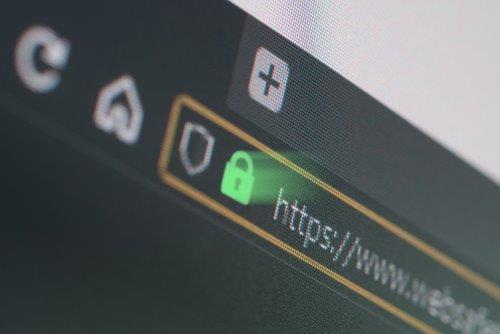 Web browsers such as Google Chrome, Firefox, Safari and Edge, among others, play an essential role in enabling access to websites on the internet. Most browsers allow users to install extensions, also referred to as add-ons or plug-ins. These extensions are applications or small software modules that add functionality and other useful features to a browser.
 In our current economy, or anytime actually, it can’t hurt to have a side hustle to bring in extra cash. Some of these options can be quite lucrative, but like everything, it takes a little work to create a steady income stream. However, with a little pre-planning, you can do it. Let’s take a look.
 The US tax system is progressive, meaning that the more you earn the more you pay. For the years 2020-2022 there are seven different brackets for each year. Which bracket you are in depends on your taxable income; however, your bracket does not equal your tax rate.
 Cost accounting is a type of accounting that analyzes a business’ complete production costs by looking at both variable and fixed costs. This includes the concepts of marginal costing, lean accounting, standard costing and activity-based costing. It’s used by a business’ management to evaluate fixed and variable costs involved in the manufacturing operations.