Improving Federal Building Security Act of 2024 (S 3613) – The Federal Protective Service (FPS) contracts security guards to control access to government facilities and screen visitors to detect prohibited items, such as pepper spray and batons. Earlier this year, FPS investigators conducted a covert test at certain federal buildings in which the guards failed to detect prohibited items about 50 percent of the time. In response, Congress passed this bill requiring Facility Security Committees to respond to security recommendations issued by the FPS. It also mandates that the Homeland Security Department submit an unredacted report to Congress regarding FPS surveillance technology recommendations as well as summarize the FPS recommendations that buildings accepted or rejected. However, no additional funding for security is appropriated by the bill, which will sunset five years following enactment. The act was introduced on Jan. 18, 2024, by Sen. Gary Peters (D-MI). It passed in the Senate on March 23, the House on Dec. 10, and was signed into law on Dec. 17.
Servicemember Quality of Life Improvement and National Defense Authorization Act for Fiscal Year 2025 (HR 5009) – This year’s version of the annual funding bill features a 14.5 percent increase in pay for junior enlisted servicemembers, as well as a 4.5 percent pay raise for all other personnel. The legislation also provides cost-of-living allowances per location, improved housing/barracks repair programs, more access to medical and mental health services, and increased employment support for military spouses. The legislation was introduced by Rep. David Joyce (R-OH) on July 27, 2023. This is a bipartisan bill that has passed in both the Senate and the House with various changes. It is currently awaiting signature by the White House for enactment.
Coastal Habitat Conservation Act of 2023 (HR 2950) – Introduced by Rep. Jared Huffman (D-CA) on April 7, 2023, this bill passed the House on Sept. 24, 2024, the Senate on Nov. 21, and was signed into law on Dec. 11. The legislation empowers the Coastal Program of the United States Fish and Wildlife Service to increase efforts to assess, protect, restore and enhance key coastal environments that provide fish and wildlife habitats for certain federal trust species.
Thomas R. Carper Water Resources Development Act of 2024 (S 4367) – This legislation was introduced by Sen. Thomas Carper (D-DE) on May 20, 2024. It passed in the Senate on Aug. 1 and in the House (with changes) on Dec. 10; the final bill is expected to be approved and signed into law by the end of the congressional session. This bipartisan bill is designed to improve the nation’s water resources infrastructure, including ports and harbors, inland waterway navigation, and flood and storm protection; it also strengthens our resilience during natural disasters. The legislation also institutes reforms at the U.S. Army Corps of Engineers in order to streamline processes and deploy projects faster.
SHIELD Against CCP Act (HR 9668) – Introduced on Sept. 18, 2024, by Rep. Dale Strong (R-AL), this bill would establish a task force working with the Department of Homeland Security. The group’s sole focus would be on countering terrorism, cybersecurity, and border/port security related to threats posed by the Chinese Communist Party. The legislation is in response to recent CCP activities such as stealing intellectual property and technology, threats to economic supply chain security and critical infrastructure, and surveillance activities targeting U.S. defense sites and even American citizens. The bipartisan bill passed in the House on Dec. 10 and is currently in the Senate.
Increasing Baseline Updates Act (HR 9716) – In the first quarter of each year, the Congressional Budget Office provides Congress with an annual baseline 10-year projection of the budget and economy based on the fiscal impact of legislative proposals. Updates are released in Q2 and Q3 to reflect newly enacted laws and economic conditions. This bill would mandate that the executive branch provide critical data to the CBO by February 1 of each year to produce a more accurate annual budget baseline. The bill passed in the House on Dec. 11 and currently lies with the Senate. It was introduced by Rep. Blake Moore (R-UT) on Sept. 20, 2024.
National Security
January 1, 2025 · Blog, Congress at Work
⏱ 4 min read
Improving Federal Building Security Act of 2024 (S 3613) – The Federal Protective Service (FPS) contracts security guards to control access to government facilities and screen visitors to detect prohibited items, such as pepper spray and batons. Earlier this year, FPS investigators conducted a covert test at certain federal buildings in which the guards failed to detect prohibited items about 50 percent of the time. In response, Congress passed this bill requiring Facility Security Committees to respond to security recommendations issued by the FPS. It also mandates that the Homeland Security Department submit an unredacted report to Congress regarding FPS surveillance technology recommendations as well as summarize the FPS recommendations that buildings accepted or rejected. However, no additional funding for security is appropriated by the bill, which will sunset five years following enactment. The act was introduced on Jan. 18, 2024, by Sen. Gary Peters (D-MI). It passed in the Senate on March 23, the House on Dec. 10, and was signed into law on Dec. 17.
Servicemember Quality of Life Improvement and National Defense Authorization Act for Fiscal Year 2025 (HR 5009) – This year’s version of the annual funding bill features a 14.5 percent increase in pay for junior enlisted servicemembers, as well as a 4.5 percent pay raise for all other personnel. The legislation also provides cost-of-living allowances per location, improved housing/barracks repair programs, more access to medical and mental health services, and increased employment support for military spouses. The legislation was introduced by Rep. David Joyce (R-OH) on July 27, 2023. This is a bipartisan bill that has passed in both the Senate and the House with various changes. It is currently awaiting signature by the White House for enactment.
Coastal Habitat Conservation Act of 2023 (HR 2950) – Introduced by Rep. Jared Huffman (D-CA) on April 7, 2023, this bill passed the House on Sept. 24, 2024, the Senate on Nov. 21, and was signed into law on Dec. 11. The legislation empowers the Coastal Program of the United States Fish and Wildlife Service to increase efforts to assess, protect, restore and enhance key coastal environments that provide fish and wildlife habitats for certain federal trust species.
Thomas R. Carper Water Resources Development Act of 2024 (S 4367) – This legislation was introduced by Sen. Thomas Carper (D-DE) on May 20, 2024. It passed in the Senate on Aug. 1 and in the House (with changes) on Dec. 10; the final bill is expected to be approved and signed into law by the end of the congressional session. This bipartisan bill is designed to improve the nation’s water resources infrastructure, including ports and harbors, inland waterway navigation, and flood and storm protection; it also strengthens our resilience during natural disasters. The legislation also institutes reforms at the U.S. Army Corps of Engineers in order to streamline processes and deploy projects faster.
SHIELD Against CCP Act (HR 9668) – Introduced on Sept. 18, 2024, by Rep. Dale Strong (R-AL), this bill would establish a task force working with the Department of Homeland Security. The group’s sole focus would be on countering terrorism, cybersecurity, and border/port security related to threats posed by the Chinese Communist Party. The legislation is in response to recent CCP activities such as stealing intellectual property and technology, threats to economic supply chain security and critical infrastructure, and surveillance activities targeting U.S. defense sites and even American citizens. The bipartisan bill passed in the House on Dec. 10 and is currently in the Senate.
Increasing Baseline Updates Act (HR 9716) – In the first quarter of each year, the Congressional Budget Office provides Congress with an annual baseline 10-year projection of the budget and economy based on the fiscal impact of legislative proposals. Updates are released in Q2 and Q3 to reflect newly enacted laws and economic conditions. This bill would mandate that the executive branch provide critical data to the CBO by February 1 of each year to produce a more accurate annual budget baseline. The bill passed in the House on Dec. 11 and currently lies with the Senate. It was introduced by Rep. Blake Moore (R-UT) on Sept. 20, 2024.
Disclaimer
These articles provide general information on tax, accounting, and financial topics for small businesses and individuals. They are educational in nature and are not specific legal, accounting, financial, tax, or other professional advice, and should not be relied upon as such. This content was prepared by Service2Client and may have been reviewed or edited by the website owner for accuracy and compliance. Look for a trust mark below for verification details. No representation is made that any approach described will achieve a particular result, and no regulatory or professional body has reviewed or endorsed this content. Because each situation is different, readers should consult a qualified professional about their specific circumstances before acting. Images accompanying these articles are protected by copyright and may not be copied or reused.
The Salt Typhoon cyberattack is among recent cyberattacks that reaffirm the urgent need for robust data security measures. This attack targeted major telecommunications providers, compromising critical infrastructure and potentially exposing vast amounts of sensitive data. With cyberthreats becoming more sophisticated, businesses and individuals must prioritize data security to maintain trust and compliance.
The Role of Apps in Managing and Protecting Client Data
Businesses need apps because they make the work easier and more organized. Apps help teams communicate better, manage tasks, and share information quickly, no matter where people are. The apps also simplify handling customer needs, improving service, and tracking business performance. Generally, apps save time while helping businesses work smarter and stay competitive.
One of the most critical uses of apps is managing client data. This data includes personal details like names and addresses. It also includes financial information such as bank details, as well as business-specific data like contracts and project plans. Losing or exposing this sensitive information can lead to severe consequences, including financial losses, legal penalties, and damaged reputations. Clients may lose trust in your business, leading to lost opportunities and reduced customer loyalty. By using apps effectively, businesses can better organize, safeguard, and utilize client data to build stronger relationships and maintain long-term success.
Encryption: A Critical Security Measure
Encryption has become crucial in modern data security. It transforms readable data into an unreadable format, ensuring only authorized parties can access the information. There are various types of encryptions, including end-to-end encryption (E2EE), which protects data during transmission, and at-rest encryption, which secures stored data.
Following the Salt Typhoon cyberattacks, the FBI and Cybersecurity and Infrastructure Security Agency (CISA) issued a joint advisory urging individuals and organizations to prioritize using encrypted communication channels. Given the vulnerability of traditional communication methods, the agencies strongly recommended adopting end-to-end encrypted messaging apps like Signal for secure communication. This recommendation aims to mitigate the risks associated with compromised telecommunication networks. It also helps protect sensitive information from unauthorized access. Even if cybercriminals intercept the data, they cannot decipher it without the encryption key. This layer of protection mitigates the risks of unauthorized access and data breaches, making encryption an essential tool for businesses.
The Role of Encrypted Apps
Enhanced security: Encrypted apps provide a critical layer of defense against sophisticated cyberattacks. By encrypting data both in transit and at rest, these apps ensure that even if communication networks are compromised, sensitive information remains inaccessible to attackers.
Compliance with regulations: With so many ongoing cyberattacks, regulatory scrutiny of data security practices has intensified. Encrypted apps can help businesses comply with relevant regulations, such as the GDPR and CCPA, by demonstrating a commitment to data protection.
Building trust and customer loyalty: Customers are increasingly wary of data breaches in an era of heightened cybersecurity concerns. Utilizing encrypted apps demonstrates a commitment to data security and privacy, fostering trust and loyalty among clients.
Protecting business operations: Encrypted apps are crucial for protecting client data and safeguarding critical business information, such as intellectual property, financial records, and internal communications. This ensures the continuity and integrity of business operations, even in the face of advanced cyber threats.
Choosing and Implementing Encrypted Apps
When selecting and implementing the right encrypted apps, it is important to consider them carefully. First, it is good to consider industry-specific needs as different industries have different data security needs. For example, while a healthcare provider must comply with Health Insurance Portability and Accountability Act (HIPAA) regulations, a business in the financial industry must adhere to banking regulations. This calls for selecting industry-specific apps.
Businesses also must prioritize apps with robust security features, such as strong encryption algorithms, multifactor authentication, and regular security updates. It is also important to carefully review the data privacy policies of app providers and ensure compliance with relevant regulations.
Effective employee training is also essential for successfully implementing encrypted apps. Employees must be educated on the importance of data security, the proper use of encrypted apps, and best practices for handling sensitive information.
Conclusion
Client data is one of a business’s most valuable assets, and protecting it is paramount. The growing threat of cyberattacks and the increasing complexity of data protection regulations make encryption an essential tool. By embracing encrypted communication channels, businesses can significantly enhance their resilience against sophisticated cyberattacks, protect sensitive client data, and maintain a competitive edge in today’s digital economy.
Securing Client Data: The Importance of Encrypted Apps
January 1, 2025 · Blog, What's New in Technology
⏱ 4 min read
The Salt Typhoon cyberattack is among recent cyberattacks that reaffirm the urgent need for robust data security measures. This attack targeted major telecommunications providers, compromising critical infrastructure and potentially exposing vast amounts of sensitive data. With cyberthreats becoming more sophisticated, businesses and individuals must prioritize data security to maintain trust and compliance.
The Role of Apps in Managing and Protecting Client Data
Businesses need apps because they make the work easier and more organized. Apps help teams communicate better, manage tasks, and share information quickly, no matter where people are. The apps also simplify handling customer needs, improving service, and tracking business performance. Generally, apps save time while helping businesses work smarter and stay competitive.
One of the most critical uses of apps is managing client data. This data includes personal details like names and addresses. It also includes financial information such as bank details, as well as business-specific data like contracts and project plans. Losing or exposing this sensitive information can lead to severe consequences, including financial losses, legal penalties, and damaged reputations. Clients may lose trust in your business, leading to lost opportunities and reduced customer loyalty. By using apps effectively, businesses can better organize, safeguard, and utilize client data to build stronger relationships and maintain long-term success.
Encryption: A Critical Security Measure
Encryption has become crucial in modern data security. It transforms readable data into an unreadable format, ensuring only authorized parties can access the information. There are various types of encryptions, including end-to-end encryption (E2EE), which protects data during transmission, and at-rest encryption, which secures stored data.
Following the Salt Typhoon cyberattacks, the FBI and Cybersecurity and Infrastructure Security Agency (CISA) issued a joint advisory urging individuals and organizations to prioritize using encrypted communication channels. Given the vulnerability of traditional communication methods, the agencies strongly recommended adopting end-to-end encrypted messaging apps like Signal for secure communication. This recommendation aims to mitigate the risks associated with compromised telecommunication networks. It also helps protect sensitive information from unauthorized access. Even if cybercriminals intercept the data, they cannot decipher it without the encryption key. This layer of protection mitigates the risks of unauthorized access and data breaches, making encryption an essential tool for businesses.
The Role of Encrypted Apps
Enhanced security: Encrypted apps provide a critical layer of defense against sophisticated cyberattacks. By encrypting data both in transit and at rest, these apps ensure that even if communication networks are compromised, sensitive information remains inaccessible to attackers.
Compliance with regulations: With so many ongoing cyberattacks, regulatory scrutiny of data security practices has intensified. Encrypted apps can help businesses comply with relevant regulations, such as the GDPR and CCPA, by demonstrating a commitment to data protection.
Building trust and customer loyalty: Customers are increasingly wary of data breaches in an era of heightened cybersecurity concerns. Utilizing encrypted apps demonstrates a commitment to data security and privacy, fostering trust and loyalty among clients.
Protecting business operations: Encrypted apps are crucial for protecting client data and safeguarding critical business information, such as intellectual property, financial records, and internal communications. This ensures the continuity and integrity of business operations, even in the face of advanced cyber threats.
Choosing and Implementing Encrypted Apps
When selecting and implementing the right encrypted apps, it is important to consider them carefully. First, it is good to consider industry-specific needs as different industries have different data security needs. For example, while a healthcare provider must comply with Health Insurance Portability and Accountability Act (HIPAA) regulations, a business in the financial industry must adhere to banking regulations. This calls for selecting industry-specific apps.
Businesses also must prioritize apps with robust security features, such as strong encryption algorithms, multifactor authentication, and regular security updates. It is also important to carefully review the data privacy policies of app providers and ensure compliance with relevant regulations.
Effective employee training is also essential for successfully implementing encrypted apps. Employees must be educated on the importance of data security, the proper use of encrypted apps, and best practices for handling sensitive information.
Conclusion
Client data is one of a business’s most valuable assets, and protecting it is paramount. The growing threat of cyberattacks and the increasing complexity of data protection regulations make encryption an essential tool. By embracing encrypted communication channels, businesses can significantly enhance their resilience against sophisticated cyberattacks, protect sensitive client data, and maintain a competitive edge in today’s digital economy.
Disclaimer
These articles provide general information on tax, accounting, and financial topics for small businesses and individuals. They are educational in nature and are not specific legal, accounting, financial, tax, or other professional advice, and should not be relied upon as such. This content was prepared by Service2Client and may have been reviewed or edited by the website owner for accuracy and compliance. Look for a trust mark below for verification details. No representation is made that any approach described will achieve a particular result, and no regulatory or professional body has reviewed or endorsed this content. Because each situation is different, readers should consult a qualified professional about their specific circumstances before acting. Images accompanying these articles are protected by copyright and may not be copied or reused.
Yep, it’s the end of another year! Chances are, you didn’t keep every resolution you made last year, for example, those goals about working out. (No shame here; we all do this!) However, the good news is that your fiscal goals can be a bit easier to achieve. Here are a few financial resolutions that are no-brainers, simple, and, best of all, no sweat.
Get a snapshot of your net worth. This is critical. Sit down and calculate this. When you know how much you have in terms of assets and liabilities, you can more easily determine where you need to make changes to your budget. For instance, this might be spending less on dining out and stocking more away in savings and investments. Understanding how much you have to work with is the first step to reaching your goals.
Pay off credit cards. This might well be an ongoing task, but the end of the year is a great time to take a breath, make a plan, and hit the ground running in the new year. If you have high-interest cards, look for limited-time, lower-interest and/or zero-interest cards. Some lenders will even give you as long as 21 months without interest. If you find yourself using credit cards more than you like, another way to get a handle on this is to use cash when you’re out at stores and restaurants. Seeing the dollars actually leaving your hands as opposed to just swiping your plastic might give you a needed dose of reality.
Update your savings goals. If you want to easily increase your savings, choose an amount and have it auto-drafted from your paycheck or checking account into your savings every month. This way, you’ll learn to live on the amount you have left. When you never see the amount you’re tucking away, you won’t miss it.
Review and reset your investments. Take some time to pull together all your assets: IRAs, retirement accounts, and employer 401(k) plans. If you can contribute more to any of these, all the better. For 401(k)s, the IRS just announced a cost-of-living adjustment for retirement plans and IRAs – the 401(k) contribution limit for 2025 is $23,500, up from $23,000 in 2024. However, individual retirement account (IRA) contributions will continue to be $7,000 in 2025, the same as in 2024. If you’re over 50, here’s some good news: You’ll be able to make even larger catch-up contributions than other workers because of a provision in Secure 2.0, a federal retirement law. Beginning in 2025, employees aged 60, 61, 62, or 63 who participate in workplace retirement plans can make catch-up contributions of up to $11,250.
Take a look at your credit report. This is key. You’re entitled to one free credit report a year from each of the three credit agencies, so doing this is easy peasy. Pull up your report and give it a look-see. If you see anything negative, take action to repair it. If there are any errors, correct them asap. To get started, go to AnnualCreditReport.com.
While there are many other money-related resolutions you can make, starting with ones that take minimal effort while yielding maximum results is a good place to begin, not to mention, a great way ease into the new year.
5 New Year’s Financial Resolutions You Can Actually Keep
December 1, 2024 · Blog, Tip of the Month
⏱ 3 min read
Yep, it’s the end of another year! Chances are, you didn’t keep every resolution you made last year, for example, those goals about working out. (No shame here; we all do this!) However, the good news is that your fiscal goals can be a bit easier to achieve. Here are a few financial resolutions that are no-brainers, simple, and, best of all, no sweat.
Get a snapshot of your net worth. This is critical. Sit down and calculate this. When you know how much you have in terms of assets and liabilities, you can more easily determine where you need to make changes to your budget. For instance, this might be spending less on dining out and stocking more away in savings and investments. Understanding how much you have to work with is the first step to reaching your goals.
Pay off credit cards. This might well be an ongoing task, but the end of the year is a great time to take a breath, make a plan, and hit the ground running in the new year. If you have high-interest cards, look for limited-time, lower-interest and/or zero-interest cards. Some lenders will even give you as long as 21 months without interest. If you find yourself using credit cards more than you like, another way to get a handle on this is to use cash when you’re out at stores and restaurants. Seeing the dollars actually leaving your hands as opposed to just swiping your plastic might give you a needed dose of reality.
Update your savings goals. If you want to easily increase your savings, choose an amount and have it auto-drafted from your paycheck or checking account into your savings every month. This way, you’ll learn to live on the amount you have left. When you never see the amount you’re tucking away, you won’t miss it.
Review and reset your investments. Take some time to pull together all your assets: IRAs, retirement accounts, and employer 401(k) plans. If you can contribute more to any of these, all the better. For 401(k)s, the IRS just announced a cost-of-living adjustment for retirement plans and IRAs – the 401(k) contribution limit for 2025 is $23,500, up from $23,000 in 2024. However, individual retirement account (IRA) contributions will continue to be $7,000 in 2025, the same as in 2024. If you’re over 50, here’s some good news: You’ll be able to make even larger catch-up contributions than other workers because of a provision in Secure 2.0, a federal retirement law. Beginning in 2025, employees aged 60, 61, 62, or 63 who participate in workplace retirement plans can make catch-up contributions of up to $11,250.
Take a look at your credit report. This is key. You’re entitled to one free credit report a year from each of the three credit agencies, so doing this is easy peasy. Pull up your report and give it a look-see. If you see anything negative, take action to repair it. If there are any errors, correct them asap. To get started, go to AnnualCreditReport.com.
While there are many other money-related resolutions you can make, starting with ones that take minimal effort while yielding maximum results is a good place to begin, not to mention, a great way ease into the new year.
These articles provide general information on tax, accounting, and financial topics for small businesses and individuals. They are educational in nature and are not specific legal, accounting, financial, tax, or other professional advice, and should not be relied upon as such. This content was prepared by Service2Client and may have been reviewed or edited by the website owner for accuracy and compliance. Look for a trust mark below for verification details. No representation is made that any approach described will achieve a particular result, and no regulatory or professional body has reviewed or endorsed this content. Because each situation is different, readers should consult a qualified professional about their specific circumstances before acting. Images accompanying these articles are protected by copyright and may not be copied or reused.
No matter the type of business or industry, being able to analyze and deduce patterns is essential to discovering a business’ financial health. Here are four commonly used calculations to help internal and external stakeholders determine an organization’s ability to manage its finances.
Break-Even Analysis
This formula analyzes fixed costs versus the profitability a business earns for every extra item it creates and sells.
Businesses that have smaller thresholds to meet their fixed costs to realize profitability have an easier break-even point to meet and exceed. Once the fixed costs threshold is satisfied and sales revenue outpaces variable costs, a business will know when it hits the break-even point.
Break Even Point (BEP) = Total Fixed Costs/(Price Per Unit – Variable Cost Per Unit)
This takes the total fixed costs divided by the price per individual unit minus each unit’s variable cost.
Examples of fixed costs are rent, taxes, insurance and wages. Examples of variable costs are raw materials, production supplies, utilities and packaging.
Another way to determine a company’s break-even point is as follows:
Contribution Margin = Item Price – Variable Cost Per Unit
This is illustrated by: $55 = ($85 – $30)
The item’s priced at $85, with a variable cost of $30, the contribution margin is $55 of how much revenue a company earns to pay for the remaining fixed costs.
Cash Ratio Formula
The cash ratio formula offers one way to look at a company’s liquidity position by comparing a company’s cash and cash equivalents to its current liabilities or debts due within the next 12 months. It shows how well positioned a business is (or is not) able to pay debts due within 12 months, and to satisfy the near-term obligations of its long-term debt.
It’s an important ratio that lenders look at when evaluating a company’s loan application. Instead of including assets such as accounts receivables, it factors in a business’ ability to take care of its financial obligations. It’s thought of as being a more real world look at how financially stable a business is.
This is defined as all income minus the cost of goods sold (COGS). COGS is comprised of expenses attributable to the creation of products, which include input materials and salaries for workers to produce such goods. However, it excludes expenses for taxes, overhead, debt, asset acquisitions, etc., among others. Another way to explain this calculation is to ask how much a business retains as profit once production costs are accounted for.
It’s calculated as follows: Gross Profit Margin = [(Net Sales – Cost of Goods Sold)/(New Sales)] x 100
Debt-to-Equity (D/E) Ratio
This is used to determine how much debt or financial leverage a company has on its books. It tells internal stakeholders and external parties what percentage of debt a company is using to operate compared to the business’ available operating reserves. This ratio contrasts a business’ complete financial obligations against its shareholder equity. Its primary use is to see how extensively it uses debt to operate.
It’s calculated as follows: Debt/Equity Ratio = Total Liabilities/Total Shareholders’ Equity.
While these calculations may seem straightforward, these are only a few examples of how businesses can calculate and analyze a company’s position – be it the owner, an employee or an outside lender or investor.
Common Business Accounting Calculations
December 1, 2024 · Blog, General Business News
⏱ 3 min read
No matter the type of business or industry, being able to analyze and deduce patterns is essential to discovering a business’ financial health. Here are four commonly used calculations to help internal and external stakeholders determine an organization’s ability to manage its finances.
Break-Even Analysis
This formula analyzes fixed costs versus the profitability a business earns for every extra item it creates and sells.
Businesses that have smaller thresholds to meet their fixed costs to realize profitability have an easier break-even point to meet and exceed. Once the fixed costs threshold is satisfied and sales revenue outpaces variable costs, a business will know when it hits the break-even point.
Break Even Point (BEP) = Total Fixed Costs/(Price Per Unit – Variable Cost Per Unit)
This takes the total fixed costs divided by the price per individual unit minus each unit’s variable cost.
Examples of fixed costs are rent, taxes, insurance and wages. Examples of variable costs are raw materials, production supplies, utilities and packaging.
Another way to determine a company’s break-even point is as follows:
Contribution Margin = Item Price – Variable Cost Per Unit
This is illustrated by: $55 = ($85 – $30)
The item’s priced at $85, with a variable cost of $30, the contribution margin is $55 of how much revenue a company earns to pay for the remaining fixed costs.
Cash Ratio Formula
The cash ratio formula offers one way to look at a company’s liquidity position by comparing a company’s cash and cash equivalents to its current liabilities or debts due within the next 12 months. It shows how well positioned a business is (or is not) able to pay debts due within 12 months, and to satisfy the near-term obligations of its long-term debt.
It’s an important ratio that lenders look at when evaluating a company’s loan application. Instead of including assets such as accounts receivables, it factors in a business’ ability to take care of its financial obligations. It’s thought of as being a more real world look at how financially stable a business is.
This is defined as all income minus the cost of goods sold (COGS). COGS is comprised of expenses attributable to the creation of products, which include input materials and salaries for workers to produce such goods. However, it excludes expenses for taxes, overhead, debt, asset acquisitions, etc., among others. Another way to explain this calculation is to ask how much a business retains as profit once production costs are accounted for.
It’s calculated as follows: Gross Profit Margin = [(Net Sales – Cost of Goods Sold)/(New Sales)] x 100
Debt-to-Equity (D/E) Ratio
This is used to determine how much debt or financial leverage a company has on its books. It tells internal stakeholders and external parties what percentage of debt a company is using to operate compared to the business’ available operating reserves. This ratio contrasts a business’ complete financial obligations against its shareholder equity. Its primary use is to see how extensively it uses debt to operate.
It’s calculated as follows: Debt/Equity Ratio = Total Liabilities/Total Shareholders’ Equity.
While these calculations may seem straightforward, these are only a few examples of how businesses can calculate and analyze a company’s position – be it the owner, an employee or an outside lender or investor.
Disclaimer
These articles provide general information on tax, accounting, and financial topics for small businesses and individuals. They are educational in nature and are not specific legal, accounting, financial, tax, or other professional advice, and should not be relied upon as such. This content was prepared by Service2Client and may have been reviewed or edited by the website owner for accuracy and compliance. Look for a trust mark below for verification details. No representation is made that any approach described will achieve a particular result, and no regulatory or professional body has reviewed or endorsed this content. Because each situation is different, readers should consult a qualified professional about their specific circumstances before acting. Images accompanying these articles are protected by copyright and may not be copied or reused.
Also known as greenhouse gas (GHG) accounting, carbon accounting is a way for managers and analysts to measure a company’s total carbon emissions.
It’s a comprehensive approach to analyze how a company uses energy for its buildings, offices, conveyances and production processes. Carbon accounting examines firsthand, secondhand and tertiary energy uses.
Environmental, Social & Governance
Looking at ESG standards (Environmental, Social & Governance), it’s not only becoming encouraged, it’s becoming required for businesses, especially for publicly traded businesses. Whether it’s the U.S. Securities and Exchange Commission (SEC) or other governmental agencies in the global economy, these administrative organizations are mandating emission declarations for businesses to account for their carbon emissions. It’s also necessary for third parties (lenders, potential and current investors) to review and analyze a company’s current and past performance, along with industry comparisons.
It’s important to distinguish the differences between carbon and GHG accounting. Carbon accounting only looks at carbon dioxide emissions, while GHG looks at the broader category and illustrates why doing so is important. Businesses look at nitrous oxide and hydrofluorocarbons (HFCs), for example, when accounting for GHGs. However, such measurement is based on the so-called carbon dioxide equivalent or C02e. This helps standardize GHGs into the C02e standard for carbon accounting, giving government and interested parties the ability to measure across a universal standard. Two common uses for this standard are for carbon offsets and credits.
Calculating Emissions
1. Scope 1 factors in emissions from the company’s directly controlled or owned assets. Examples include factories, production, conveyances, etc.
2. Scope 2 looks at what the business uses in regard to climate-controlled services for their factories, offices, etc. It also looks at the company’s contracts with power suppliers.
3. Scope 3 factors in indirect emissions the business may incur. This includes commercial commuting activities, investing, how assets are disposed of, etc.
According to the SEC, Scope 3 emissions must include those “upstream and downstream activities in a company’s value chain” if they’re necessary for investor consideration or if the business has pledged to meet certain metrics for Scope 3 levels.
From there, a business’ activity metrics are calculated according to governmental and industry standards, such as the U.S. Environmental Protection Agency, ISO Standard 14064, or The Climate Registry’s General Reporting Protocol, etc. Businesses’ results are presented against past results, where they discuss how they will improve their efficiency internally and work with their supply chain partners.
Compliance
While compliance is one important reason, third-party audiences, such as family offices, institutional money managers, lenders, etc., are equally as important. Asset managers and family offices, for example, look for ESG or environmentally friendly investments to attract retail or “smart-money” investors. Similarly, activist investors, especially those looking to make companies more environmentally friendly, can look at companies to see how their carbon emissions stack up against their industry and overall commercial peers.
Another consideration is that by meeting regulatory or industry requirements and meeting ESG standards, businesses could qualify for preferential or market rates for funding from the debt markets.
Conclusion
The more companies are well-versed in this type of accounting, the better they will meet government and investor expectations.
Understanding Carbon Accounting
December 1, 2024 · Accounting News, Blog
⏱ 3 min read
Also known as greenhouse gas (GHG) accounting, carbon accounting is a way for managers and analysts to measure a company’s total carbon emissions.
It’s a comprehensive approach to analyze how a company uses energy for its buildings, offices, conveyances and production processes. Carbon accounting examines firsthand, secondhand and tertiary energy uses.
Environmental, Social & Governance
Looking at ESG standards (Environmental, Social & Governance), it’s not only becoming encouraged, it’s becoming required for businesses, especially for publicly traded businesses. Whether it’s the U.S. Securities and Exchange Commission (SEC) or other governmental agencies in the global economy, these administrative organizations are mandating emission declarations for businesses to account for their carbon emissions. It’s also necessary for third parties (lenders, potential and current investors) to review and analyze a company’s current and past performance, along with industry comparisons.
It’s important to distinguish the differences between carbon and GHG accounting. Carbon accounting only looks at carbon dioxide emissions, while GHG looks at the broader category and illustrates why doing so is important. Businesses look at nitrous oxide and hydrofluorocarbons (HFCs), for example, when accounting for GHGs. However, such measurement is based on the so-called carbon dioxide equivalent or C02e. This helps standardize GHGs into the C02e standard for carbon accounting, giving government and interested parties the ability to measure across a universal standard. Two common uses for this standard are for carbon offsets and credits.
Calculating Emissions
1. Scope 1 factors in emissions from the company’s directly controlled or owned assets. Examples include factories, production, conveyances, etc.
2. Scope 2 looks at what the business uses in regard to climate-controlled services for their factories, offices, etc. It also looks at the company’s contracts with power suppliers.
3. Scope 3 factors in indirect emissions the business may incur. This includes commercial commuting activities, investing, how assets are disposed of, etc.
According to the SEC, Scope 3 emissions must include those “upstream and downstream activities in a company’s value chain” if they’re necessary for investor consideration or if the business has pledged to meet certain metrics for Scope 3 levels.
From there, a business’ activity metrics are calculated according to governmental and industry standards, such as the U.S. Environmental Protection Agency, ISO Standard 14064, or The Climate Registry’s General Reporting Protocol, etc. Businesses’ results are presented against past results, where they discuss how they will improve their efficiency internally and work with their supply chain partners.
Compliance
While compliance is one important reason, third-party audiences, such as family offices, institutional money managers, lenders, etc., are equally as important. Asset managers and family offices, for example, look for ESG or environmentally friendly investments to attract retail or “smart-money” investors. Similarly, activist investors, especially those looking to make companies more environmentally friendly, can look at companies to see how their carbon emissions stack up against their industry and overall commercial peers.
Another consideration is that by meeting regulatory or industry requirements and meeting ESG standards, businesses could qualify for preferential or market rates for funding from the debt markets.
Conclusion
The more companies are well-versed in this type of accounting, the better they will meet government and investor expectations.
Disclaimer
These articles provide general information on tax, accounting, and financial topics for small businesses and individuals. They are educational in nature and are not specific legal, accounting, financial, tax, or other professional advice, and should not be relied upon as such. This content was prepared by Service2Client and may have been reviewed or edited by the website owner for accuracy and compliance. Look for a trust mark below for verification details. No representation is made that any approach described will achieve a particular result, and no regulatory or professional body has reviewed or endorsed this content. Because each situation is different, readers should consult a qualified professional about their specific circumstances before acting. Images accompanying these articles are protected by copyright and may not be copied or reused.
Personal Income Tax Planning Strategies for Year-End 2024
As 2024 draws to a close, it’s the perfect time to review your personal income tax situation and implement strategies to minimize your tax liability for the year. Proactive year-end tax planning can lead to significant savings, as well as ensure that you take full advantage of tax credits, deductions and other opportunities available to you.
1. Maximize Contributions to Retirement Accounts
One of the most effective ways to reduce your taxable income is by contributing to tax-advantaged retirement accounts. In 2024, you may contribute up to $23,000 to a 401(k) or similar employer-sponsored plan, with an additional $7,500 catch-up contribution if you’re over age 50. These contributions are made pre-tax, meaning they reduce your taxable income for the year, potentially lowering your tax bill.
Similarly, if you’re eligible, consider contributing to an IRA. For 2024, the maximum contribution limit for a traditional IRA and/or Roth IRA is $7,000 ($8,000 if you’re 50 or older). Contributions to a traditional IRA may be tax-deductible depending on your income and whether you or your spouse are covered by an employer-sponsored retirement plan. If you’re not eligible for deductions due to income limits, consider a Roth IRA, where contributions are made after-tax, but qualified withdrawals in retirement are tax-free.
2. Take Advantage of Flexible Spending Accounts (FSAs) and Health Savings Accounts (HSAs)
If your employer offers a Flexible Spending Account (FSA), use the remainder of your FSA funds before they expire. FSAs allow you to put away pre-tax money to cover medical expenses, and the limit for 2024 is $3,200. Depending on your employer’s plan, unused funds may be forfeited after the year-end, although some plans may offer a grace period or carryover option for a small portion of the balance.
For those eligible for a Health Savings Account (HSA), contributing the maximum allowable amount can provide immediate tax savings. For 2024, the HSA contribution limit is $4,150 for individuals and $8,300 for families, with an additional $1,000 catch-up contribution for individuals age 55 or older.
3. Harvest Capital Losses
If you’ve realized capital gains in 2024, it may be beneficial to offset those gains with capital losses. Known as tax-loss harvesting, this strategy involves selling investments that have declined in value to realize losses, which can be used to offset your capital gains. If your capital losses exceed your gains, you can use the remaining losses to offset up to $3,000 of ordinary income ($1,500 if married and filing separately).
Make sure to consider the “wash sale” rule, which disallows a deduction if you buy the same or substantially identical security within 30 days of selling at a loss. This rule is meant to prevent taxpayers from selling assets for tax benefits and then repurchasing the same assets immediately.
4. Bunch Charitable Contributions
If you’re planning to make charitable donations, consider bunching your contributions into one year to exceed the standard deduction threshold. This strategy allows you to itemize deductions for one year by making larger charitable contributions in a single year while taking the standard deduction in the following year. The standard deduction for 2024 is $29,200 for married couples filing jointly and $14,600 for single filers, which means if your itemized deductions do not exceed these amounts, you may benefit from grouping two or more years’ worth of charitable donations into one year.
5. Review Your Tax Withholding
As the year ends, review your tax withholding to ensure you’re not over- or under-paying throughout the year. If you’ve had a major life change in 2024, such as marriage, divorce, a child or a new job, adjusting your withholding can prevent underpayment penalties or a large tax bill. You can use the IRS Tax Withholding Estimator tool to assess whether your withholding is on track or, if necessary, submit a new Form W-4 to adjust your withholding for the final paychecks of the year.
6. Plan for Estimated Taxes if Self-Employed
For self-employed individuals, it’s important to ensure you’ve made sufficient estimated tax payments throughout the year. If you expect to owe additional taxes for 2024, you may want to increase your final estimated payment by Jan. 15, 2025, to avoid penalties. You can calculate your estimated tax liability using Form 1040-ES.
Conclusion
Tax planning is an essential part of personal finance. With 2024 coming to an end, it’s the right time to review your finances and take advantage of available tax-saving opportunities. By maximizing retirement account contributions, considering tax-loss harvesting and utilizing other year-end strategies, you can minimize your tax burden and keep more of your hard-earned income. Be sure to consult with a tax professional to tailor these strategies to your unique financial situation and ensure you’re in the best possible position for the year ahead.
Tax Planning 2024
December 1, 2024 · Blog, Tax and Financial News
⏱ 4 min read
Personal Income Tax Planning Strategies for Year-End 2024
As 2024 draws to a close, it’s the perfect time to review your personal income tax situation and implement strategies to minimize your tax liability for the year. Proactive year-end tax planning can lead to significant savings, as well as ensure that you take full advantage of tax credits, deductions and other opportunities available to you.
1. Maximize Contributions to Retirement Accounts
One of the most effective ways to reduce your taxable income is by contributing to tax-advantaged retirement accounts. In 2024, you may contribute up to $23,000 to a 401(k) or similar employer-sponsored plan, with an additional $7,500 catch-up contribution if you’re over age 50. These contributions are made pre-tax, meaning they reduce your taxable income for the year, potentially lowering your tax bill.
Similarly, if you’re eligible, consider contributing to an IRA. For 2024, the maximum contribution limit for a traditional IRA and/or Roth IRA is $7,000 ($8,000 if you’re 50 or older). Contributions to a traditional IRA may be tax-deductible depending on your income and whether you or your spouse are covered by an employer-sponsored retirement plan. If you’re not eligible for deductions due to income limits, consider a Roth IRA, where contributions are made after-tax, but qualified withdrawals in retirement are tax-free.
2. Take Advantage of Flexible Spending Accounts (FSAs) and Health Savings Accounts (HSAs)
If your employer offers a Flexible Spending Account (FSA), use the remainder of your FSA funds before they expire. FSAs allow you to put away pre-tax money to cover medical expenses, and the limit for 2024 is $3,200. Depending on your employer’s plan, unused funds may be forfeited after the year-end, although some plans may offer a grace period or carryover option for a small portion of the balance.
For those eligible for a Health Savings Account (HSA), contributing the maximum allowable amount can provide immediate tax savings. For 2024, the HSA contribution limit is $4,150 for individuals and $8,300 for families, with an additional $1,000 catch-up contribution for individuals age 55 or older.
3. Harvest Capital Losses
If you’ve realized capital gains in 2024, it may be beneficial to offset those gains with capital losses. Known as tax-loss harvesting, this strategy involves selling investments that have declined in value to realize losses, which can be used to offset your capital gains. If your capital losses exceed your gains, you can use the remaining losses to offset up to $3,000 of ordinary income ($1,500 if married and filing separately).
Make sure to consider the “wash sale” rule, which disallows a deduction if you buy the same or substantially identical security within 30 days of selling at a loss. This rule is meant to prevent taxpayers from selling assets for tax benefits and then repurchasing the same assets immediately.
4. Bunch Charitable Contributions
If you’re planning to make charitable donations, consider bunching your contributions into one year to exceed the standard deduction threshold. This strategy allows you to itemize deductions for one year by making larger charitable contributions in a single year while taking the standard deduction in the following year. The standard deduction for 2024 is $29,200 for married couples filing jointly and $14,600 for single filers, which means if your itemized deductions do not exceed these amounts, you may benefit from grouping two or more years’ worth of charitable donations into one year.
5. Review Your Tax Withholding
As the year ends, review your tax withholding to ensure you’re not over- or under-paying throughout the year. If you’ve had a major life change in 2024, such as marriage, divorce, a child or a new job, adjusting your withholding can prevent underpayment penalties or a large tax bill. You can use the IRS Tax Withholding Estimator tool to assess whether your withholding is on track or, if necessary, submit a new Form W-4 to adjust your withholding for the final paychecks of the year.
6. Plan for Estimated Taxes if Self-Employed
For self-employed individuals, it’s important to ensure you’ve made sufficient estimated tax payments throughout the year. If you expect to owe additional taxes for 2024, you may want to increase your final estimated payment by Jan. 15, 2025, to avoid penalties. You can calculate your estimated tax liability using Form 1040-ES.
Conclusion
Tax planning is an essential part of personal finance. With 2024 coming to an end, it’s the right time to review your finances and take advantage of available tax-saving opportunities. By maximizing retirement account contributions, considering tax-loss harvesting and utilizing other year-end strategies, you can minimize your tax burden and keep more of your hard-earned income. Be sure to consult with a tax professional to tailor these strategies to your unique financial situation and ensure you’re in the best possible position for the year ahead.
Disclaimer
These articles provide general information on tax, accounting, and financial topics for small businesses and individuals. They are educational in nature and are not specific legal, accounting, financial, tax, or other professional advice, and should not be relied upon as such. This content was prepared by Service2Client and may have been reviewed or edited by the website owner for accuracy and compliance. Look for a trust mark below for verification details. No representation is made that any approach described will achieve a particular result, and no regulatory or professional body has reviewed or endorsed this content. Because each situation is different, readers should consult a qualified professional about their specific circumstances before acting. Images accompanying these articles are protected by copyright and may not be copied or reused.
The coming shakeup of the executive branch, along with Republican control of both houses of Congress, means tax changes are highly likely in 2025 and beyond. Positioning for new and amended tax provisions is already off to the races.
Regardless of the political landscape, on rare occasions, some measures have broad bipartisan support. One such bill is called the Methane Reduction and Economic Growth Act. It proposes adding a new credit for sequestering “qualified” methane from mining activities.
Looking Ahead To 2025
Proponents of the Methane Reduction and Economic Growth Act hope the tax credit will have a beneficial economic impact and create jobs. The idea is to capture and utilize the methane for productive industrial uses or as an alternative for heating buildings. The methane emitted by mines that qualify have long lifespans, with some abandoned mines emitting methane for up to 100 years. The long lifespan of the methane source is hoped to support the significant capital investment required to get the process up and running.
There is also significant potential for job creation in areas most impacted by the shutdown of coal-fired power plants, which in turn devastated the coal mining industry. The concept of using mine methane as an energy source could support rural American jobs.
Landscape and Potential for the Credit
There is a lot of mine methane to capture, with most not currently being captured. The U.S. government estimates abandoned coal mines produce about 237,000 metric tons annually. This methane has many potential uses, including hydrogen production.
Details on the New Subsection
The new section of 45Q credits would be based on the quantity of qualified methane that is sequestered. The captured methane must then be sent to the pipeline and used for producing heat or electricity. To be considered “qualified methane,” it must be captured from certain types of mines, including closed, abandoned, and surface mines. Finally, the methane captured must have otherwise been sent into the atmosphere if it had not been for the capture equipment activity.
Only qualified facilities may obtain the credit. Among other factors, the taxpayer needs to capture a minimum of 2,500 metric tons of methane each year to qualify. There are a lot more technical regulatory requirements related to the specific nature of methane capture, but those are beyond the scope of this article.
Conclusion
Typically, tax bills are split down the aisle based on political partisanship. This makes the passage of tax legislation difficult at best due to competing interests and a divided government. The tax credits related to methane capture, however, appear to be unusually bipartisan in nature. This is due to the unique intersection of democratic support from an environmental and climate perspective, meeting with Republican interest to support economic development in rural coal mining areas where the industry has been devastated. Put these two interests together, and you have the makings for a widely supported bipartisan bill that is very likely to pass.
Energy Tax Credit Changes For 2025
December 1, 2024 · Blog, Guest Article of the Month
⏱ 3 min read
The coming shakeup of the executive branch, along with Republican control of both houses of Congress, means tax changes are highly likely in 2025 and beyond. Positioning for new and amended tax provisions is already off to the races.
Regardless of the political landscape, on rare occasions, some measures have broad bipartisan support. One such bill is called the Methane Reduction and Economic Growth Act. It proposes adding a new credit for sequestering “qualified” methane from mining activities.
Looking Ahead To 2025
Proponents of the Methane Reduction and Economic Growth Act hope the tax credit will have a beneficial economic impact and create jobs. The idea is to capture and utilize the methane for productive industrial uses or as an alternative for heating buildings. The methane emitted by mines that qualify have long lifespans, with some abandoned mines emitting methane for up to 100 years. The long lifespan of the methane source is hoped to support the significant capital investment required to get the process up and running.
There is also significant potential for job creation in areas most impacted by the shutdown of coal-fired power plants, which in turn devastated the coal mining industry. The concept of using mine methane as an energy source could support rural American jobs.
Landscape and Potential for the Credit
There is a lot of mine methane to capture, with most not currently being captured. The U.S. government estimates abandoned coal mines produce about 237,000 metric tons annually. This methane has many potential uses, including hydrogen production.
Details on the New Subsection
The new section of 45Q credits would be based on the quantity of qualified methane that is sequestered. The captured methane must then be sent to the pipeline and used for producing heat or electricity. To be considered “qualified methane,” it must be captured from certain types of mines, including closed, abandoned, and surface mines. Finally, the methane captured must have otherwise been sent into the atmosphere if it had not been for the capture equipment activity.
Only qualified facilities may obtain the credit. Among other factors, the taxpayer needs to capture a minimum of 2,500 metric tons of methane each year to qualify. There are a lot more technical regulatory requirements related to the specific nature of methane capture, but those are beyond the scope of this article.
Conclusion
Typically, tax bills are split down the aisle based on political partisanship. This makes the passage of tax legislation difficult at best due to competing interests and a divided government. The tax credits related to methane capture, however, appear to be unusually bipartisan in nature. This is due to the unique intersection of democratic support from an environmental and climate perspective, meeting with Republican interest to support economic development in rural coal mining areas where the industry has been devastated. Put these two interests together, and you have the makings for a widely supported bipartisan bill that is very likely to pass.
Disclaimer
These articles provide general information on tax, accounting, and financial topics for small businesses and individuals. They are educational in nature and are not specific legal, accounting, financial, tax, or other professional advice, and should not be relied upon as such. This content was prepared by Service2Client and may have been reviewed or edited by the website owner for accuracy and compliance. Look for a trust mark below for verification details. No representation is made that any approach described will achieve a particular result, and no regulatory or professional body has reviewed or endorsed this content. Because each situation is different, readers should consult a qualified professional about their specific circumstances before acting. Images accompanying these articles are protected by copyright and may not be copied or reused.
All bills not enacted by the end of the 118th congressional session on Jan. 3, 2025, will expire.
Social Security Fairness Act of 2023 (HR 82) – This bill, with 330 bipartisan sponsors and a similar bill in the Senate, was introduced by Rep. Garret Graves (R-LA) on Jan. 9, 2023. It passed in the House on Nov. 12 of this year and is likely to pass in the Senate before the year’s end. The purpose of the bill is to eliminate the government pension offset that reduces Social Security benefits for individuals who receive other benefits, such as a pension from a state or local government. In the private sector, this would have a similar effect to withholding Social Security from people who have a 401(k). The bill would also repeal provisions that reduce Social Security benefits for spouses and widows/ers who receive their own government pensions. The provisions of the bill would be retroactive to the beginning of 2024.
BOLIVAR Act (HR 825) – This legislation prohibits the head of an executive agency to enter into a contract for the procurement of goods or services with any person that has business operations with the Maduro regime in Venezuela. The act was introduced on Feb. 2, 2023, by Rep. Michael Waltz (R-OH). It passed in the House on Nov. 18, and its fate currently lies with the Senate.
Vote by Mail Tracking Act (HR 5658) – This bill would require mail-in ballots to use the Postal Service barcode and an Official Election Mail logo. It passed in the House on Nov. 18 and is under consideration in the Senate. The bill was introduced by Rep. Katie Porter (D-CA) on Sept. 21, 2023.
Find and Protect Foster Youth Act (S 1146) – This act was introduced on March 30, 2023, by Sen. John Cornyn (R-TX). It would amend a provision of the Social Security Act to require the Department of Health and Human Services to eliminate obstacles to identifying and responding to reports of missing foster care children. Furthermore, it would assist in the assessment and screening of children who are at risk of becoming victims of sex trafficking, as well as identify best practices for effective interventions. The bipartisan bill passed in the House on Nov. 18 and is currently in the Senate.
Billion Dollar Boondoggle Act of 2023 (S 1228) – This bill was introduced by Sen. Joni Ernst (R-IA) on April 25, 2023. The bill would require the director of the Office of Management and Budget to submit an annual report to Congress detailing projects that are over budget and behind schedule. This is a bipartisan bill that has passed in both the Senate and the House, but on July 22, the House made changes and sent it back to the Senate, where it currently resides.
Rural Broadband Protection Act of 2024 (S 275) – Introduced by Sen. Shelley Moore Capito (R-WV) on Feb. 7, 2023, this bill would require the Federal Communications Commission (FCC) to vet applicants for funding of affordable broadband deployment in high-cost areas (including rural communities). The FCC would mandate a process, including a detailed proposal with technical capabilities to provide competitive awards for implementing the broadband network services. The FCC would then assess proposals in line with well-established technical standards. The bill passed the Senate on Sept. 25 and is currently with the House.
Making Pensions Equitable, Protecting Foster Kids, Mail-in Votes and Tracking Government Spending
December 1, 2024 · Blog, Congress at Work
⏱ 3 min read
All bills not enacted by the end of the 118th congressional session on Jan. 3, 2025, will expire.
Social Security Fairness Act of 2023 (HR 82) – This bill, with 330 bipartisan sponsors and a similar bill in the Senate, was introduced by Rep. Garret Graves (R-LA) on Jan. 9, 2023. It passed in the House on Nov. 12 of this year and is likely to pass in the Senate before the year’s end. The purpose of the bill is to eliminate the government pension offset that reduces Social Security benefits for individuals who receive other benefits, such as a pension from a state or local government. In the private sector, this would have a similar effect to withholding Social Security from people who have a 401(k). The bill would also repeal provisions that reduce Social Security benefits for spouses and widows/ers who receive their own government pensions. The provisions of the bill would be retroactive to the beginning of 2024.
BOLIVAR Act (HR 825) – This legislation prohibits the head of an executive agency to enter into a contract for the procurement of goods or services with any person that has business operations with the Maduro regime in Venezuela. The act was introduced on Feb. 2, 2023, by Rep. Michael Waltz (R-OH). It passed in the House on Nov. 18, and its fate currently lies with the Senate.
Vote by Mail Tracking Act (HR 5658) – This bill would require mail-in ballots to use the Postal Service barcode and an Official Election Mail logo. It passed in the House on Nov. 18 and is under consideration in the Senate. The bill was introduced by Rep. Katie Porter (D-CA) on Sept. 21, 2023.
Find and Protect Foster Youth Act (S 1146) – This act was introduced on March 30, 2023, by Sen. John Cornyn (R-TX). It would amend a provision of the Social Security Act to require the Department of Health and Human Services to eliminate obstacles to identifying and responding to reports of missing foster care children. Furthermore, it would assist in the assessment and screening of children who are at risk of becoming victims of sex trafficking, as well as identify best practices for effective interventions. The bipartisan bill passed in the House on Nov. 18 and is currently in the Senate.
Billion Dollar Boondoggle Act of 2023 (S 1228) – This bill was introduced by Sen. Joni Ernst (R-IA) on April 25, 2023. The bill would require the director of the Office of Management and Budget to submit an annual report to Congress detailing projects that are over budget and behind schedule. This is a bipartisan bill that has passed in both the Senate and the House, but on July 22, the House made changes and sent it back to the Senate, where it currently resides.
Rural Broadband Protection Act of 2024 (S 275) – Introduced by Sen. Shelley Moore Capito (R-WV) on Feb. 7, 2023, this bill would require the Federal Communications Commission (FCC) to vet applicants for funding of affordable broadband deployment in high-cost areas (including rural communities). The FCC would mandate a process, including a detailed proposal with technical capabilities to provide competitive awards for implementing the broadband network services. The FCC would then assess proposals in line with well-established technical standards. The bill passed the Senate on Sept. 25 and is currently with the House.
Disclaimer
These articles provide general information on tax, accounting, and financial topics for small businesses and individuals. They are educational in nature and are not specific legal, accounting, financial, tax, or other professional advice, and should not be relied upon as such. This content was prepared by Service2Client and may have been reviewed or edited by the website owner for accuracy and compliance. Look for a trust mark below for verification details. No representation is made that any approach described will achieve a particular result, and no regulatory or professional body has reviewed or endorsed this content. Because each situation is different, readers should consult a qualified professional about their specific circumstances before acting. Images accompanying these articles are protected by copyright and may not be copied or reused.
The holiday season is when most people go on shopping sprees and travel. This season also witnesses a surge in online activities in today’s digital world. Unfortunately, cybercriminals take advantage of this period to launch attacks. Therefore, cybersecurity should be the top priority for a business gearing up for peak sales or a shopper looking for the best deal.
Understanding Holiday Cyber Threats
Businesses and consumers face unique challenges during the holiday season. For businesses, the increase in traffic and online transactions can overwhelm systems. This may make them vulnerable to attacks. Cybercriminals may use tactics such as ransomware, phishing scams and fraudulent transactions during the busy season. Consumers, on the other hand, get lured by malicious ads, fake websites and phishing emails that may appear as irresistible holiday deals.
Recognizing these risks is important to staying safe for both businesses and consumers. Understanding them also means taking proactive measures to reduce exposure to cyber threats.
Why Cybersecurity Matters
The lack of effective cybersecurity can lead to financial loss, reputational damage and disruption to a businesses’ operations. On the other hand, consumers face identity theft, unauthorized purchases and compromised financial accounts.
According to the Retail and Hospitality Information Sharing and Analysis Center (RH-ISAC), threats such as ransomware, phishing, and account takeover (ATO) attacks intensify as consumer activity surges. In their 2024 Holiday Season Cyber Threat Trends Report, RH-ISAC emphasizes proactive defense measures, especially during high-traffic periods like the holiday season.
Cybersecurity Best Practices for Businesses
Security measures for businesses include:
Set up a holiday strategy – over the long holidays, businesses tend to have a change in work schedules and fewer staff members. Having a holiday cybersecurity strategy can safeguard against potential cyber threats. This can include an emergency response plan and designating responsible individuals for cybersecurity.
Endpoint security – this involves protecting devices like computers and smartphones used in the business. It is important to update all software, install antivirus programs and enable firewalls to shield the business network from intrusions.
Employee training – human error is one of the leading causes of data breaches. Therefore, it is important to educate staff to recognize phishing attempts. They should also know the importance of strong passwords and reporting suspicious activity.
Monitoring systems for unusual activity – This requires a business to invest in tools that help detect suspicious behavior in its networks. This should include fraud detection systems that will help identify unusual transaction patterns. It also helps detect potential compromises from third-party vendors.
Backup and recovery plan – business continuity in case of an attack is crucial. Therefore, a business should ensure that data is regularly backed up and stored securely. It also helps to test the recovery process regularly.
Cybersecurity Best Practices for Shoppers
Consumers are not immune to holiday cyber-attacks. A consumer must keep the following in mind:
Shop from secure websites – shoppers should be cautious by checking website security. They should check that a website includes “https://” and a padlock icon in the URL. Also, confirm the correct name of the website. It is also important to avoid clicking on links from unsolicited emails or social media ads. This is a common phishing tactic.
Use secure payment methods – a credit card provides better fraud protection than a debit card. Consider digital wallets that have an extra layer of encryption. It is also crucial to avoid saving payment details on websites.
Avoid public wi-fi – shopping on the go may see some shoppers use public networks. These networks expose data to hackers.
Be wary of emails and messages with deals that sound too good to be true. Always verify sender authentication and, where necessary, contact the company directly.
Be cautious about unexpected package notifications. Unexpected package notifications can be a phishing tactic to steal personal information or install malware. Always verify the sender and avoid clicking on links in unsolicited messages.
Be cautious of holiday scams like fake charities, gift card scams and fake gift exchanges that prey on the season’s generosity and excitement. Scammers may trick customers into buying gift cards or sharing personal details through fraudulent schemes. Staying skeptical of unsolicited offers and never sharing sensitive information with unverified sources will help ward off cybercriminal attacks.
Activate multi-factor authentication (MFA) – adding MFA creates an extra layer of security for highly sensitive accounts such as email, bank, and work-related logins.
Closing Thoughts
The holiday season is meant to be a time of celebration and connection, not worry and stress. By implementing robust cybersecurity practices, businesses can protect their operations and customers while shoppers enjoy safe, hassle-free transactions.
Cybersecurity Best Practices for the Holiday Season
December 1, 2024 · Blog, What's New in Technology
⏱ 4 min read
The holiday season is when most people go on shopping sprees and travel. This season also witnesses a surge in online activities in today’s digital world. Unfortunately, cybercriminals take advantage of this period to launch attacks. Therefore, cybersecurity should be the top priority for a business gearing up for peak sales or a shopper looking for the best deal.
Understanding Holiday Cyber Threats
Businesses and consumers face unique challenges during the holiday season. For businesses, the increase in traffic and online transactions can overwhelm systems. This may make them vulnerable to attacks. Cybercriminals may use tactics such as ransomware, phishing scams and fraudulent transactions during the busy season. Consumers, on the other hand, get lured by malicious ads, fake websites and phishing emails that may appear as irresistible holiday deals.
Recognizing these risks is important to staying safe for both businesses and consumers. Understanding them also means taking proactive measures to reduce exposure to cyber threats.
Why Cybersecurity Matters
The lack of effective cybersecurity can lead to financial loss, reputational damage and disruption to a businesses’ operations. On the other hand, consumers face identity theft, unauthorized purchases and compromised financial accounts.
According to the Retail and Hospitality Information Sharing and Analysis Center (RH-ISAC), threats such as ransomware, phishing, and account takeover (ATO) attacks intensify as consumer activity surges. In their 2024 Holiday Season Cyber Threat Trends Report, RH-ISAC emphasizes proactive defense measures, especially during high-traffic periods like the holiday season.
Cybersecurity Best Practices for Businesses
Security measures for businesses include:
Set up a holiday strategy – over the long holidays, businesses tend to have a change in work schedules and fewer staff members. Having a holiday cybersecurity strategy can safeguard against potential cyber threats. This can include an emergency response plan and designating responsible individuals for cybersecurity.
Endpoint security – this involves protecting devices like computers and smartphones used in the business. It is important to update all software, install antivirus programs and enable firewalls to shield the business network from intrusions.
Employee training – human error is one of the leading causes of data breaches. Therefore, it is important to educate staff to recognize phishing attempts. They should also know the importance of strong passwords and reporting suspicious activity.
Monitoring systems for unusual activity – This requires a business to invest in tools that help detect suspicious behavior in its networks. This should include fraud detection systems that will help identify unusual transaction patterns. It also helps detect potential compromises from third-party vendors.
Backup and recovery plan – business continuity in case of an attack is crucial. Therefore, a business should ensure that data is regularly backed up and stored securely. It also helps to test the recovery process regularly.
Cybersecurity Best Practices for Shoppers
Consumers are not immune to holiday cyber-attacks. A consumer must keep the following in mind:
Shop from secure websites – shoppers should be cautious by checking website security. They should check that a website includes “https://” and a padlock icon in the URL. Also, confirm the correct name of the website. It is also important to avoid clicking on links from unsolicited emails or social media ads. This is a common phishing tactic.
Use secure payment methods – a credit card provides better fraud protection than a debit card. Consider digital wallets that have an extra layer of encryption. It is also crucial to avoid saving payment details on websites.
Avoid public wi-fi – shopping on the go may see some shoppers use public networks. These networks expose data to hackers.
Be wary of emails and messages with deals that sound too good to be true. Always verify sender authentication and, where necessary, contact the company directly.
Be cautious about unexpected package notifications. Unexpected package notifications can be a phishing tactic to steal personal information or install malware. Always verify the sender and avoid clicking on links in unsolicited messages.
Be cautious of holiday scams like fake charities, gift card scams and fake gift exchanges that prey on the season’s generosity and excitement. Scammers may trick customers into buying gift cards or sharing personal details through fraudulent schemes. Staying skeptical of unsolicited offers and never sharing sensitive information with unverified sources will help ward off cybercriminal attacks.
Activate multi-factor authentication (MFA) – adding MFA creates an extra layer of security for highly sensitive accounts such as email, bank, and work-related logins.
Closing Thoughts
The holiday season is meant to be a time of celebration and connection, not worry and stress. By implementing robust cybersecurity practices, businesses can protect their operations and customers while shoppers enjoy safe, hassle-free transactions.
Disclaimer
These articles provide general information on tax, accounting, and financial topics for small businesses and individuals. They are educational in nature and are not specific legal, accounting, financial, tax, or other professional advice, and should not be relied upon as such. This content was prepared by Service2Client and may have been reviewed or edited by the website owner for accuracy and compliance. Look for a trust mark below for verification details. No representation is made that any approach described will achieve a particular result, and no regulatory or professional body has reviewed or endorsed this content. Because each situation is different, readers should consult a qualified professional about their specific circumstances before acting. Images accompanying these articles are protected by copyright and may not be copied or reused.
This metric, which is also referred to as the cash cycle or the net operating cycle, looks at the time a business takes to recover its investment in inventory to eventually sell. The process starts from selling its goods, collecting on outstanding receivables or invoices, and satisfying its operating costs with the sale proceeds. It’s normally measured in days to determine the company’s financial health.
The less time necessary to complete the CCC, the healthier a company is financially because it means the business’ money spends less time tied up in inventory or collecting on outstanding inventory. It’s important to be mindful that different industries have different CCC time frames. Generally speaking, most calculations are done on either a quarterly (90 day) or an annual basis (365 days).
How to Calculate CCC
The formula is as follows:
(CCC) = Days Inventory Outstanding (DIO) + Days Sales Outstanding (DSO) − Days Payable Outstanding (DPO)
It can be broken down into three different stages:
Stage 1
Days Inventory Outstanding (DIO) looks at how many days the inventory takes to sell to customers. It’s calculated as follows:
DIO = (Average Inventory (AI) / COGS) x Time-Frame (In Days)
AI = 1/2 x (BI + FI)
BI = Beginning Inventory
FI = Final Inventory
It’s important to define COGS, taken from the Income Statement, which is Cost of Goods Sold or the costs personally connected to creation of goods or services (raw materials, labor or electricity). The lower the number, the faster a business is selling its goods.
Stage 2
Days Sales Outstanding (DSO) measures the time it takes the business to collect payment from all outstanding sales completed.
DSO = Average Accounts Receivable (AAR) / Daily Revenue
AAR = 1/2 x (SAR + FAR)
SAR = Starting AR
FAR = Final AR
Accounts Receivable are what companies record on their balance sheet to keep track of what customers owe for the goods delivered or services rendered. The lower the results, the better the company’s cash position is because they’re able to satisfy outstanding invoices.
Stage 3
Days Payable Outstanding (DPO) is the third and final stage that calculates how much businesses owe to their suppliers the business has sourced input materials from, within the time frame the suppliers’ invoices are due.
DPO = Average Accounts Payable (AAP) / Daily COGS
Where:
AAP = 0.5 x (SAP + FAP)
SAP = Starting AP
FAP = Final AP
COGS = Cost of Goods Sold
There are different ways to interpret the DPO result. A low DPO means the business is taking care of its bills from suppliers. However, potential investors, internal managers, and supervisors can see if the business can either negotiate lengthier payment terms while still maintaining good terms or if the company negotiates early payment terms or invests the money on a short-term basis to earn more for the company before paying suppliers’ bills. A high DPO, after an investigation of a company’s financials, might show the company is taking longer than its peers to pay creditors.
While calculating the CCC is relatively straightforward, the more complex process is interpreting it correctly and using judgment for a business based on industry averages and how the numbers relate to current economic conditions.
Cash Conversion Cycle (CCC) Defined
November 1, 2024 · Blog, General Business News
⏱ 3 min read
This metric, which is also referred to as the cash cycle or the net operating cycle, looks at the time a business takes to recover its investment in inventory to eventually sell. The process starts from selling its goods, collecting on outstanding receivables or invoices, and satisfying its operating costs with the sale proceeds. It’s normally measured in days to determine the company’s financial health.
The less time necessary to complete the CCC, the healthier a company is financially because it means the business’ money spends less time tied up in inventory or collecting on outstanding inventory. It’s important to be mindful that different industries have different CCC time frames. Generally speaking, most calculations are done on either a quarterly (90 day) or an annual basis (365 days).
How to Calculate CCC
The formula is as follows:
(CCC) = Days Inventory Outstanding (DIO) + Days Sales Outstanding (DSO) − Days Payable Outstanding (DPO)
It can be broken down into three different stages:
Stage 1
Days Inventory Outstanding (DIO) looks at how many days the inventory takes to sell to customers. It’s calculated as follows:
DIO = (Average Inventory (AI) / COGS) x Time-Frame (In Days)
AI = 1/2 x (BI + FI)
BI = Beginning Inventory
FI = Final Inventory
It’s important to define COGS, taken from the Income Statement, which is Cost of Goods Sold or the costs personally connected to creation of goods or services (raw materials, labor or electricity). The lower the number, the faster a business is selling its goods.
Stage 2
Days Sales Outstanding (DSO) measures the time it takes the business to collect payment from all outstanding sales completed.
DSO = Average Accounts Receivable (AAR) / Daily Revenue
AAR = 1/2 x (SAR + FAR)
SAR = Starting AR
FAR = Final AR
Accounts Receivable are what companies record on their balance sheet to keep track of what customers owe for the goods delivered or services rendered. The lower the results, the better the company’s cash position is because they’re able to satisfy outstanding invoices.
Stage 3
Days Payable Outstanding (DPO) is the third and final stage that calculates how much businesses owe to their suppliers the business has sourced input materials from, within the time frame the suppliers’ invoices are due.
DPO = Average Accounts Payable (AAP) / Daily COGS
Where:
AAP = 0.5 x (SAP + FAP)
SAP = Starting AP
FAP = Final AP
COGS = Cost of Goods Sold
There are different ways to interpret the DPO result. A low DPO means the business is taking care of its bills from suppliers. However, potential investors, internal managers, and supervisors can see if the business can either negotiate lengthier payment terms while still maintaining good terms or if the company negotiates early payment terms or invests the money on a short-term basis to earn more for the company before paying suppliers’ bills. A high DPO, after an investigation of a company’s financials, might show the company is taking longer than its peers to pay creditors.
While calculating the CCC is relatively straightforward, the more complex process is interpreting it correctly and using judgment for a business based on industry averages and how the numbers relate to current economic conditions.
Disclaimer
These articles provide general information on tax, accounting, and financial topics for small businesses and individuals. They are educational in nature and are not specific legal, accounting, financial, tax, or other professional advice, and should not be relied upon as such. This content was prepared by Service2Client and may have been reviewed or edited by the website owner for accuracy and compliance. Look for a trust mark below for verification details. No representation is made that any approach described will achieve a particular result, and no regulatory or professional body has reviewed or endorsed this content. Because each situation is different, readers should consult a qualified professional about their specific circumstances before acting. Images accompanying these articles are protected by copyright and may not be copied or reused.

 Improving Federal Building Security Act of 2024 (S 3613) – The Federal Protective Service (FPS) contracts security guards to control access to government facilities and screen visitors to detect prohibited items, such as pepper spray and batons. Earlier this year, FPS investigators conducted a covert test at certain federal buildings in which the guards failed to detect prohibited items about 50 percent of the time. In response, Congress passed this bill requiring Facility Security Committees to respond to security recommendations issued by the FPS. It also mandates that the Homeland Security Department submit an unredacted report to Congress regarding FPS surveillance technology recommendations as well as summarize the FPS recommendations that buildings accepted or rejected. However, no additional funding for security is appropriated by the bill, which will sunset five years following enactment. The act was introduced on Jan. 18, 2024, by Sen. Gary Peters (D-MI). It passed in the Senate on March 23, the House on Dec. 10, and was signed into law on Dec. 17.



 The
The  Yep, it’s the end of another year! Chances are, you didn’t keep every resolution you made last year, for example, those goals about working out. (No shame here; we all do this!) However, the good news is that your fiscal goals can be a bit easier to achieve. Here are a few financial resolutions that are no-brainers, simple, and, best of all, no sweat.
 No matter the type of business or industry, being able to analyze and deduce patterns is essential to discovering a business’ financial health. Here are four commonly used calculations to help internal and external stakeholders determine an organization’s ability to manage its finances.
 Also known as greenhouse gas (GHG) accounting, carbon accounting is a way for managers and analysts to measure a company’s total carbon emissions.
  Personal Income Tax Planning Strategies for Year-End 2024
 The coming shakeup of the executive branch, along with Republican control of both houses of Congress, means tax changes are highly likely in 2025 and beyond. Positioning for new and amended tax provisions is already off to the races.
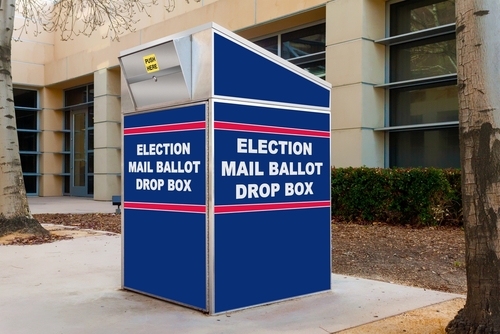 All bills not enacted by the end of the 118th congressional session on Jan. 3, 2025, will expire.
 The holiday season is when most people go on shopping sprees and travel. This season also witnesses a surge in online activities in today’s digital world. Unfortunately, cybercriminals take advantage of this period to launch attacks. Therefore, cybersecurity should be the top priority for a business gearing up for peak sales or a shopper looking for the best deal.
 This metric, which is also referred to as the cash cycle or the net operating cycle, looks at the time a business takes to recover its investment in inventory to eventually sell. The process starts from selling its goods, collecting on outstanding receivables or invoices, and satisfying its operating costs with the sale proceeds. It’s normally measured in days to determine the company’s financial health.